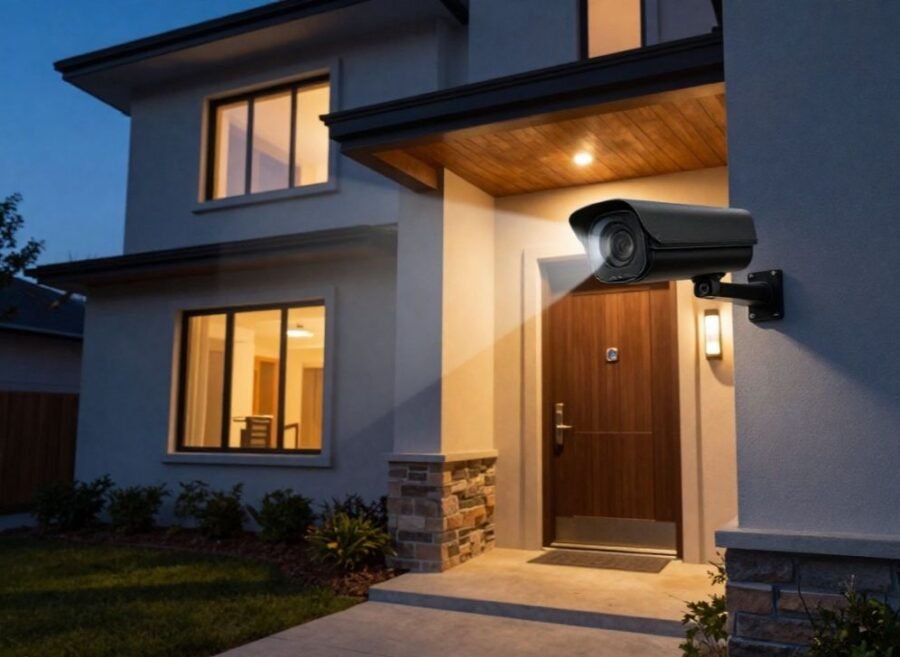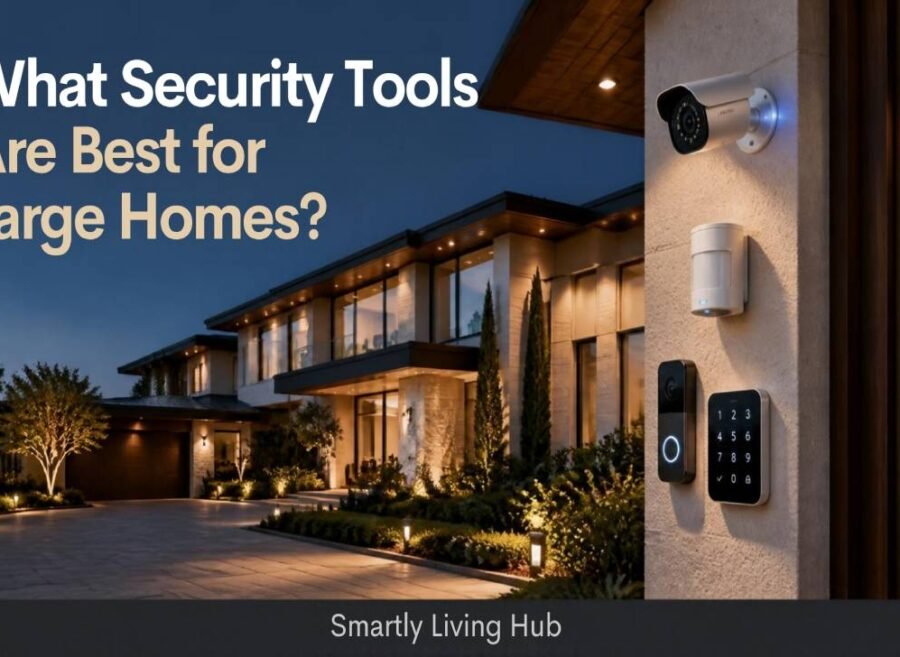

To secure your home effectively, you must implement a layered defense strategy that integrates physical hardening, electronic surveillance, and disciplined security habits. Proactive hardening is the difference between being a target and being a deterrent; by combining high-grade physical locks, motion-activated lighting, and professional-grade monitoring, you transform your property from a “soft target” into a “hard target” that criminals will choose to avoid.
This guide is synthesized from the frontline experience of security advisors and retired SWAT commanders. Most residential properties are vulnerable due to oversight, but applying these strategic upgrades will ensure your home is no longer the path of least resistance.
Why Home Security Matters
In an era of rising property crime concerns, securing your residence is a mission-critical objective. A fortified home provides more than just the protection of assets; it provides the operational stability required for your family to feel safe.
- Family Protection: The primary objective. Ensuring a secure perimeter protects your most valuable assets from external threats.
- Asset Security: Hardened entry points protect high-value electronics, sentimental items, and financial documents.
- Psychological Peace of Mind: Professional-grade security reduces the constant anxiety of vulnerability, allowing you to focus on your daily life.
Assess Your Home's Security Weak Points: The Tactical Audit
To secure your perimeter, you must “think like a burglar.” From a SWAT perspective, we look for the path of least resistance—the shadows, the weak frames, and the signs of neglect. Use this Room-by-Room Security Audit to identify your vulnerabilities:
- Exterior Concealment: Identify large bushes or landscaping that offer a “blind” for intruders to work on doors or windows unseen.
- Low-Level Access: Check for unsecured basement windows or first-floor entry points that lack secondary locks.
- Trash Intelligence: Look for discarded packaging from high-end electronics. This is “casing” material that signals a high-value interior.
- Visual Valuables: Walk your perimeter at night. If you can see jewelry, tech, or cash through a window, so can a criminal.
Expert Resource: Many local law enforcement agencies offer free property reviews via their non-emergency numbers. Request a professional assessment to identify “blind spots” you may have missed.
Strengthen All Entry Doors
Your doors are the primary breach points. Standard residential construction often uses hollow-core doors for interiors, but every exterior door must be solid-core or metal to withstand a forced entry attempt.
Hardware Upgrades
- Strike Plate Reinforcement: Most doors fail because the strike plate is held by 1-inch screws that only grip the trim. Replace these with 3-inch screws that anchor directly into the structural wall stud. This makes the door significantly harder to kick in.
- Deadbolts and the 40-Inch Rule: Install heavy-duty deadbolts on all exterior doors. If a door has glass or is within 40 inches of a window, you must use a double-cylinder deadbolt. This prevents an intruder from smashing the glass and reaching inside to turn the thumb latch; it requires a key for both sides.
Check your exterior door hinges. If they are located on the outside, an intruder can simply tap out the pins and remove the door entirely. Ensure all hinges are on the inside of the door frame. If they aren’t, the door must be rehung or secured with non-removable pins.
Secure Windows and Sliding Doors
Windows are common secondary entry points. Basic latches are easily bypassed; you need physical obstacles.
- Reinforcement Hardware: Install window sensors and window stops. Window stops prevent a window from being opened more than a few inches, allowing for ventilation without compromising security.
- Shatterproof Layers: For high-risk areas like basements, apply security film or replace glass with shatterproof polycarbonate.
- Sliding Door Defenses: These are notoriously weak. Use interior safety bars (“Charlie bars”), floor bolts, or foot locks to prevent the door from being lifted out of its track.
- DIY Reinforcement: If your glass doors or large windows are not shatterproof, the source recommends covering them with thin sheets of plexiglass to significantly slow down any breach attempt.
Improve Outdoor Lighting
Criminals operate in the shadows. Eliminating darkness is one of the most cost-effective deterrents available.
Lighting Type | Best Use Case | Primary Security Benefit |
Motion-Activated | Driveways, side yards, dark alleys | Startles intruders and alerts neighbors to movement. |
Smart Lighting Schedules | Front porches, interior living rooms | Simulates occupancy by mimicking a "lived-in" look. |
Technical Installation: Smart Bulbs
To establish an automated “lived-in” schedule:
- Hub Setup: Plug in the bridge or hub and connect it to your Wi-Fi network.
- Hardware: Screw the smart bulbs into your fixtures and ensure the manual switch remains “ON.”
- Pairing: Use the companion app to pair the bulbs to the hub (this is more stable than direct Wi-Fi pairing for multiple bulbs).
- Automation: Set a “Sunset-to-Sunrise” schedule to ensure your home is never dark when the sun goes down.
Install a Home Security System
A security system is your “early warning” radar. You must decide between Professional Installation (usually hardwired and more permanent) or DIY Installation (wireless and flexible).
Essential System Components:
- Security Panel: The brain of the operation.
- Perimeter Sensors: Door/window and glass-break sensors.
- Motion Detectors: For maximum efficiency, place these in the corners of entryways or main rooms to provide the widest possible angle of exposure.
Protect Your Garage and Secondary Access
Garages are “soft targets” containing high-value tools, vehicles, and often a direct, unlocked path into the home.
- Smart Integration: Use a smart garage door opener to receive alerts if the door is left open and to close it remotely.
- The Golden Rule: Always lock the interior door leading from the garage into the house. Treat this as an exterior entry point.
- Window Privacy: Apply privacy or frosted film to garage windows. If a thief can’t see your expensive tools or cars, they are less likely to target them.
Use Smart Technology to Enhance Security
Digital surveillance allows you to maintain “eyes on” your property from anywhere in the world.
- Video Doorbells: Use these for two-way communication. Speaking to a “casing” burglar through the app can convince them someone is home, even if you are miles away.
- Digital Hardening: Your security is only as strong as your network.
- Use Password Management Software to generate and store unique keys.
- Passwords must be at least 12 characters (mixed case, numbers, symbols).
- Install Antivirus Software on all devices used to control your home.
- Deploy a VPN on your router to disguise all network traffic and prevent hackers from intercepting your security feed.
Secure Your Yard and Landscaping (Defensive Gardening)
Landscape architecture can be a powerful physical deterrent.
- Thorny Barriers: Plant prickly or thorny bushes (like barberry or holly) directly under first-floor windows to make unauthorized entry painful and loud.
- Maintain Sightlines: Trim trees and large shrubs. You want to eliminate hiding spots and ensure that your neighbors or passing patrols have a clear view of your entry points.
Prevent Package Theft and Porch Piracy
In the era of home delivery, your front porch is a vulnerable transition point.
- Real-Time Monitoring: Use video doorbells to track deliveries as they happen.
- Secure Drop-offs: Invest in a lockable package box or use strategic delivery scheduling to ensure someone is home to receive the item.
Protect Your Home While Traveling
An empty home is a prime target for “professional” burglars who watch for signs of absence.
Vacation Readiness Checklist:
- Pause Services: Stop mail and newspaper deliveries.
- Simulate Life: Use smart light timers to vary lighting patterns throughout the evening.
- Digital Silence: CRUCIAL: Do not announce your trip on social media. Post your photos after you return.
- Secure Valuables: Place jewelry, cash, and documents in a biometric safe. For maximum security, hide the safe in a wall behind a bookshelf or painting.
Build Good Daily Security Habits
Hardware is useless without discipline. You must establish a Standard Operating Procedure (SOP).
The Nightly Lockdown SOP:
- Verify all exterior door deadbolts are engaged.
- Physically check that all first-floor windows are locked.
- Confirm the garage door is down and the interior access door is locked.
- Arm the security system to “Stay” mode.
The Security Wall of Shame: Common Mistakes
Avoid these tactical errors that compromise even the best systems:
- Hiding Keys: Never use “secret” spots like flowerpots or doormats. Burglars know them all. Use a combination lockbox.
- The Unlocked Garage Link: Failing to lock the door between the house and the garage.
- Default Passwords: Leaving the factory-set password on your Wi-Fi router or cameras.
- Ignoring Alerts: Treating security notifications as “nuisance” alerts and failing to investigate them.
Final Thoughts
Home security is not a “set it and forget it” project; it is an ongoing mission of assessment, reinforcement, and habit-building. Prioritize your upgrades based on your specific budget and the tactical reality of your property. By layering physical defenses with smart technology and vigilant SOPs, you ensure your family remains a hard target.
FAQs
How can I improve my home security immediately?
Start with the basics: ensure all windows and doors are locked. Immediately replace the short screws in your door strike plates with 3-inch screws and verify that your outdoor lighting is operational.
How do burglars choose houses?
According to ABC News, burglars target homes by looking for signs of wealth—such as high-end car brands or boxes from expensive stores in the trash. They prioritize homes with obvious vulnerabilities like unlit entryways, unsecured basement windows, or sliding glass doors.
Can I secure my home without a professional alarm?
Yes. You can “harden” your property by reinforcing physical entry points with deadbolts and safety bars, installing motion-activated lighting, and using visual deterrents like “Beware of Dog” signs or security decals.
What is the most vulnerable part of a home?
First-floor windows and back doors are the most common breach points. They often provide the privacy an intruder needs to work on a lock or break glass without being seen from the street.
How do I protect my digital security?
Use a Password Manager to create 12-character passwords for your Wi-Fi and devices. Install antivirus software and consider a Router VPN to encrypt all data passing through your home network, preventing hackers from hijacking your smart home devices.