
Things like passwords, digital encryption, insurance policies, and security monitoring subscriptions are not physical security measures because they are not tangible barriers. While these tools are essential for modern protection, physical security specifically refers to “touchable” hardware designed to provide Proactive Deterrence or physically stop or slow down an intruder, whereas non-physical security focuses on Logical Access Controls, data management, and financial recovery.
As we move into 2026, the distinction between hardware and software is more critical than ever. Relying on digital alerts without robust physical barriers is like trying to bake a cake with only flour—you are missing the essential layers required for a complete, secure result.
What Qualifies as a Physical Security Measure for Home Protection?
Physical security consists of tangible assets and barriers—the “real stuff”—that protects your property from break-ins, theft, or damage. It is your first line of defense, intended to physically stop, slow down, or discourage an attack before it occurs.
In the world of residential security, if you can touch it and its primary purpose is to provide a mechanical or physical obstacle to an intruder, it is a physical security measure. Common examples include:
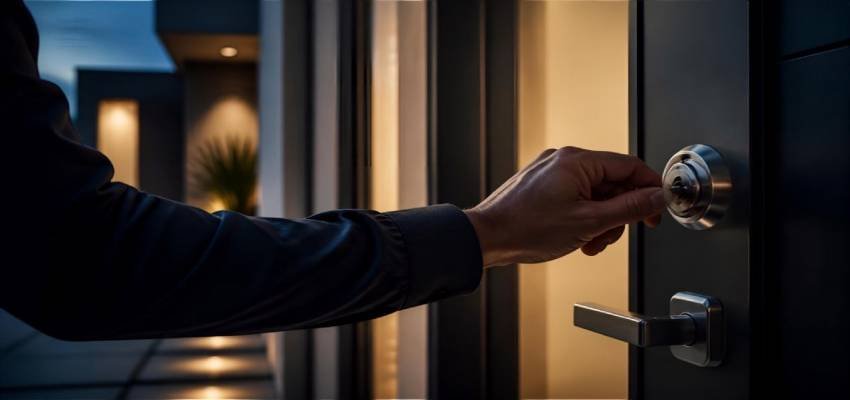
- High-Quality Deadbolts and Smart Lock Hardware: The actual metal bolt and strike plate.
- Reinforced Entry Points: Security doors and windows made of materials designed to withstand brute force.
- Perimeter Fencing and Gates: Tangible boundary markers that create the first layer of restriction.
- Physical Alarm Components: The actual sirens, keypads, and motion sensors (Reactive Recording hardware).
- Window Protection: Security film, bars, or grilles.
- Outdoor Lighting: Fixtures that eliminate the cover of darkness.
- Safes and Vaults: Heavy-duty, physically locked containers for high-value assets.
The "What" and "Why" of Physical Barriers (Deep Dive)
To build a secure home in today’s environment, you must understand how physical hardware functions as a barrier:
- Locks and Deadbolts: These are the core components of physical entry prevention, providing mechanical resistance against unauthorized opening.
- Security Doors and Reinforced Windows: These utilize specialized materials to resist smashing or prying, turning a standard entry point into a fortified barrier.
- Fences and Gates: Beyond marking property lines, these serve as a physical hurdle that requires time and effort to bypass.
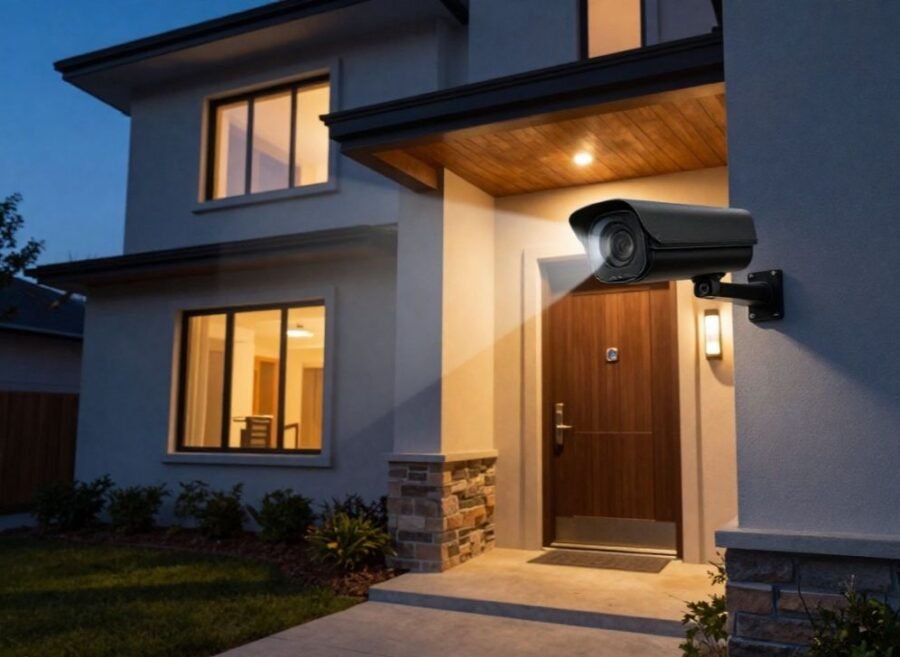
- Security Cameras and Alarm Systems: While the data they generate is digital, the hardware itself—the lens, protective housing, and sensors—are physical assets that deter intruders through visible presence.
- Bollards: Physical posts designed to prevent vehicle-based attacks or accidental impacts on the home structure.
What Is NOT a Physical Security Measure for Your Home?
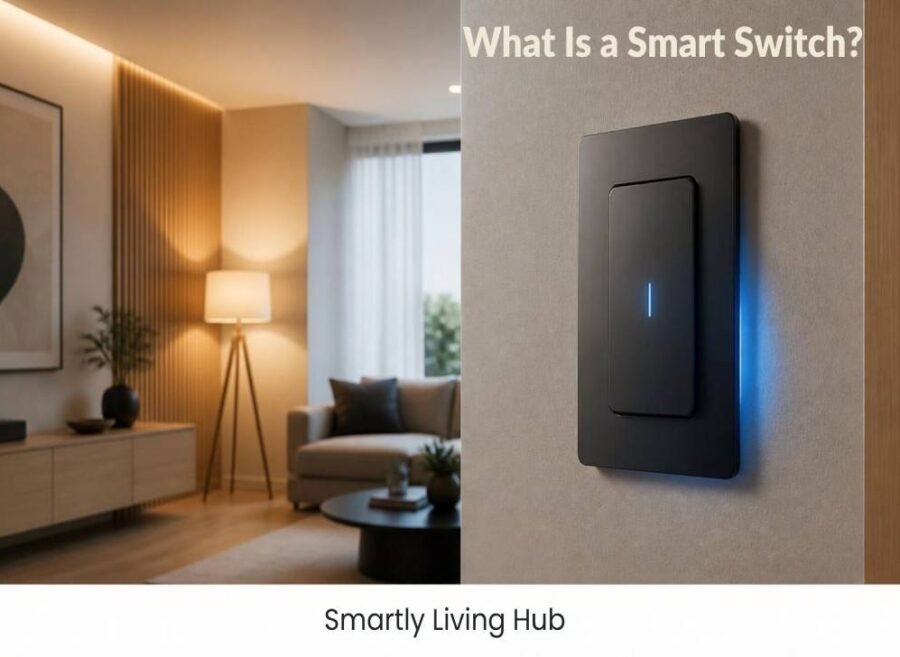
Homeowners often confuse various security tools because they are integrated into complex Internet of Things (IoT) ecosystems. For example, a smart lock has a physical metal bolt (physical security), but it is operated via a digital code or mobile app (logical security).
To be clear, anything falling into these three categories is not a physical security measure:
- Logical/Digital Controls: Measures that protect data and manage digital access.
- Administrative/Procedural Controls: Human-led processes, rules, and incident response plans.
- Financial Risk Transfer: Measures that provide a remedy after a crime has occurred.
[PROACTIVE DEFENSE ADVICE] Comprehensive Home Security Buying Guide: Physical vs. Digital Assets Understand how to balance your budget between tangible hardware and digital subscriptions.
Detailed Examples of Non-Physical Security Measures
1. Logical Access & Cybersecurity Practices
Hackers don’t need to step on your lawn to “break in” if they can access your router from down the block. These are invisible data shields, not physical deterrents.
- Passwords and PINs: Knowledge-based controls that grant access based on information, not a barrier.
- Wi-Fi Encryption (WPA3): In your router settings, always select WPA3. If your router is too old to support it, consider it a vulnerability.
- Router Hardening: Renaming your SSID (network name) to something generic (avoiding your name or address) and disabling “Remote Management” in the settings (usually accessed via 192.168.1.1).
- Multi-Factor Authentication (2FA/MFA): Adding a second layer of verification to your security apps.
2. Administrative & Procedural Controls
These are the “rules” of your security posture. They dictate how people act but do not physically stop a door from opening.
- Security Audits and Vulnerability Assessments: These are diagnostic tools, not the medicine itself. An audit report identifies where you need a lock; it does not act as the lock.
- Tenant Screening and Background Checks: These are human-resource controls used to vet people before granting access.
- Incident Response Plans: The written knowledge of what to do during a fire or break-in.
3. Nuisance Mitigation & Environmental Factors
While often handled by security consultants, these are environmental strategies.
- Landscaping Maintenance: Trimming foliage to eliminate hiding spots is “Nuisance Mitigation.” While it improves safety, a bush is not a security barrier; the act of maintenance is a procedural choice.
4. Monitoring Services and Subscriptions
The most common point of confusion is the subscription.
- Monitoring Plans: The monthly fee you pay for a dispatcher to call the police is an administrative service.
- Cloud Video Analytics & Remote Concierge: Software that identifies a “human” vs. a “dog” on camera is a digital service, not a physical one.
5. Insurance Policies
Insurance is a Financial Risk Transfer. It provides a remedy after the fact but does nothing to prevent an intruder from physically entering your home.
Physical vs. Non-Physical Security: Key Differences
Feature | Physical Security | Non-Physical Security |
Nature | Tangible / Touchable Hardware | Digital, Procedural, or Financial |
Primary Goal | Physically stop or slow entry | Manage access, data, and recovery |
Example | Heavy-duty deadbolt or fence | WPA3 Encryption or Strong Password |
Cost Structure | One-time hardware/installation cost | Recurring subscription or service fee |
Response | Immediate mechanical barrier | Alerts, data protection, or financial aid |
The Smart Lock Paradox
As a consultant, I always tell clients: If someone can unlock your house from anywhere in the world via a mobile app, then the front door was never the real threat. The physical bolt is only as strong as the digital code protecting it. True security requires these two domains to work in synergy.
Common Quiz and Test Questions About Physical Security
For those seeking certifications or testing their knowledge, here is how to classify common measures:
- Is a high fence enough to ensure home security? No. While it is a physical barrier, it is a single layer. Without community engagement (Neighborhood Watch) and surveillance, it can actually provide cover for an intruder once they are over it.
- Is a security camera app a physical measure? No. The camera hardware is physical; the app is a logical control.
- Classify “Remote Concierge”: This is a non-physical, administrative/monitoring service.
- Classify “Bollards”: This is a physical security measure.
[UPGRADE YOUR LAYERS] Top 10 Home Security Systems: A Comparative Review See which systems offer the best balance of physical hardware and proactive monitoring services.
Case Study: The June 2025 Data Breach
In June 2025, a record-breaking 16 billion credentials were leaked globally. This event highlighted the “Weak Link” in residential security. Many homeowners with expensive reinforced doors found their homes vulnerable because they reused passwords for their smart locks and security cameras. If your login was in that breach, a criminal could disarm your physical alarm without ever touching a window. This is why Logical Access Controls are the essential partner to physical barriers.
Common Mistakes Homeowners Make
- Ignoring “Nuisance Mitigation”: Leaving untrimmed foliage near windows provides perfect cover, regardless of how good your locks are.
- Relying on Default Settings: Failing to change the factory admin password on a router or camera.
- The “Post-Incident” Trap: Relying on insurance (Financial Transfer) as a substitute for prevention.
Neglecting Maintenance: Physical sensors and motion lights require regular testing to ensure they haven’t become “dead” hardware.
Conclusion
Physical security is about the “things you can touch”—the barriers that create a tangible defense-in-depth. Non-physical security encompasses the digital keys, monitoring services, and procedures that make those barriers smart and responsive.
Immediate Steps for a Safer Home:
- Hardening the Physical: Audit your deadbolts and ensure your strike plates are secured with 3-inch screws.
- Hardening the Logical: Enable 2FA on every security app and update your router to WPA3 encryption.
- Hardening the Procedural: Conduct a “Nuisance Mitigation” sweep—trim the bushes away from your first-floor windows today.
Your home is only truly secure when both the front door and the Wi-Fi are locked.
FAQs
Is a security camera a physical security measure?
The hardware (lens, housing, mounts) is physical. The data stream and AI-driven Cloud Video Analytics are logical and digital measures.
Are passwords considered physical security?
No. Passwords are knowledge-based logical controls used for identity verification.
Is cybersecurity part of home security?
Absolutely. In a modern IoT home, cybersecurity protects the digital “keys” to your physical locks.
What is the best physical security measure for a home?
High-quality deadbolt locks and reinforced entry points (frames and strike plates) remain the foundation of home defense.
Can non-physical security measures prevent break-ins?
Indirectly, yes. Proactive Deterrence services (like audio interventions from a monitoring center) can scare off an intruder before they attempt entry, though they aren’t a physical wall.