
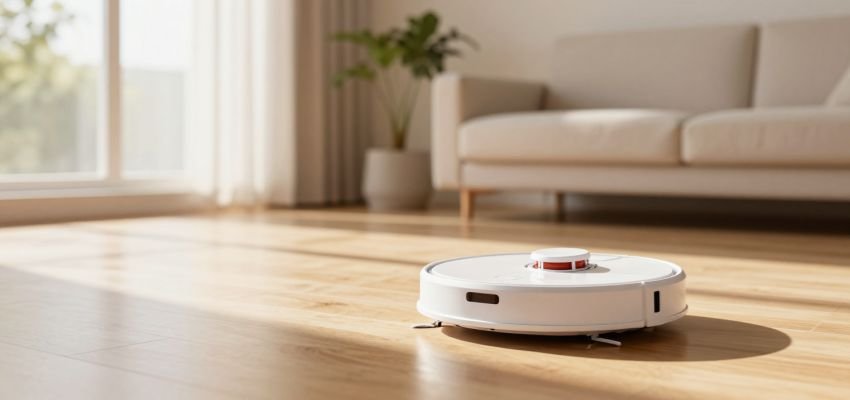
Robot vacuums are absolutely worth the investment for daily floor maintenance and convenience. While they supplement rather than replace the deep-cleaning power of a traditional upright vacuum, they effectively “share the load” by handling roughly 95% of the household labor.
The value is most transformative for busy parents, pet owners, and those managing large homes where floors look “grubby” just hours after cleaning. The technology has shifted significantly from the loud, clunky early models of the early 2000s to today’s “autopilot” versions. Modern units are smarter, quieter, and the price of entry has dropped to a point where they pay for themselves in saved time within months. For homeowners who prefer a simpler vacuum-only setup, a robot vacuum without a mop can be a practical option.
What Is a Robot Vacuum and How Does It Work?
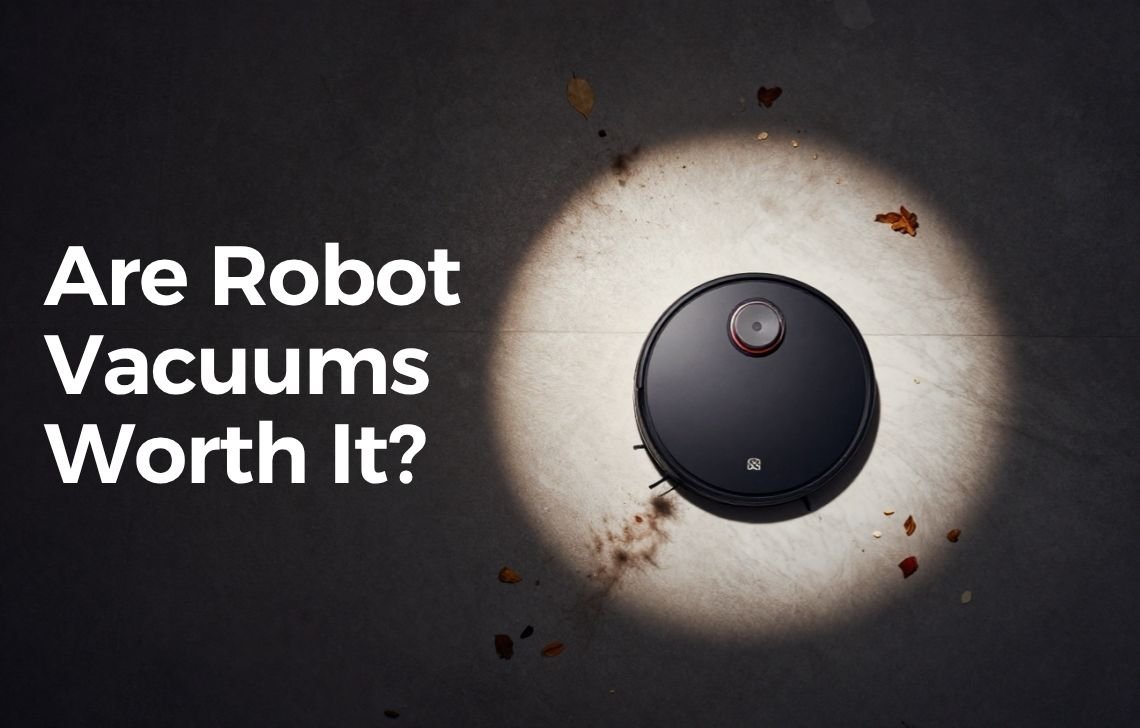
A robot vacuum is an automated, wireless cleaning device designed to navigate your home autonomously. It uses a combination of suction and specialized brushes to collect debris before returning to a designated charging base.
The Tech Stack
Today’s models utilize a sophisticated blend of hardware to navigate your floor plan:
- Sensors and LiDAR: Advanced models use LiDAR (Light Detection and Ranging) to map out rooms. It is important to note that mapping limits vary; for example, some budget LiDAR models like the Roborock or Lubluelu map up to five rooms specifically, reverting to “bump and turn” logic for any additional spaces.
- Navigation Logic: There is a “method to the madness” in how they move. While a random zig-zag pattern may look inefficient, experts agree that vacuums should hit the same spot four times from different angles to ensure a deep clean. The robot achieves this through persistence.
- Cliff Sensors: Perhaps the most critical safety feature, these sensors have a 100% success rate in modern testing. They detect a drop (like a staircase) and immediately signal the robot to turn around, making them safe for multi-level homes.
Integration
Wi-Fi connectivity has turned these devices into “set and forget” appliances. Through smartphone apps, you can schedule 90-minute morning cycles, monitor battery life, or even call the robot out from under furniture using a remote or voice command.
Key Benefits: Why Modern Models are "Life-Changing"
- Saves Significant Labor (The 95/5 Rule): A robot handles about 95% of your vacuuming needs. The remaining 5%—the “human intervention” portion—is reserved for stairs, moving heavy furniture, or cleaning up major spills like potting soil that require a manual burst of power.
- The “Slim” Advantage: Models like the Eufy RoboVac 11S are champions of low-profile design. At just 2.85 inches tall, they reach “dust-bunny magnets” under beds, vanities, and loveseats that a Dyson or Shark upright simply cannot reach without moving furniture.
- The Technical “Whisker” Effect: Because robots are round, they face a “round peg in a square hole” problem with corners. Side brushes (whiskers) are the technical solution; they extend beyond the vacuum’s footprint to grab dirt from square corners and under the edges of appliances like stoves and fridges.
- Pet Owner Relief: For owners of shedding pets (even those with three dogs or more), daily runs make hair and dander a “non-issue.” It prevents the buildup that leads to allergies and the “grubby” floor feeling.
- Psychological “Accountability Partner”: Naming your robot—favorites include Meryl Sweep, Dustin Bieber, and Whiskers—actually helps with tidiness. Homeowners often treat the robot like a member of the family, which encourages a “nightly tidy” to keep Legos and charging cables off the floor so the robot can do its job.
The Reality Check: Downsides to Consider
- Suction Trade-offs: Even a great robot lacks the raw “deep-carpet” suction of a corded upright. They are maintenance tools, not heavy-duty restoration tools.
- Human Maintenance Requirements: They are not entirely hands-off. To keep them running, you must:
- Daily: Empty the dustbin (unless you splurge on a $550+ self-emptying station).
- Weekly: Tap out the filters and wipe the sensors.
- Monthly: Use a tool to cut away hair or string tangled in the rollers.
- The “Nemesis” Factor: A robot’s biggest enemies are loose iPad chargers, thin rugs, and the dreaded “dog-poop-smearing incident.” If your pet is prone to accidents, you must ensure the floor is clear, or you risk the robot spreading the mess across the entire house.
The Cost Threshold: You no longer need to spend 1,000.The“worthit“sweetspotforvaluecurrentlysitsbetween∗∗150 and $230**.
Are Robot Vacuums Worth It for You?
The “Green Light” Profiles
- Busy Professionals & Parents: If you are “sharing the load” of household chores, a robot is a reliable partner that doesn’t get tired or sick.
- Multi-Level Homeowners: You don’t need a robot for every floor. You can carry a single unit between levels, though many find a second budget unit for the upstairs is a worthy “life hack.”
- Allergy Sufferers: Consistent daily cleaning prevents indoor dust and allergens from accumulating and floating up onto furniture.
The “Red Light” Profiles
- High-Clutter Homes: If your floor is constantly covered in small toys or laundry, you will spend more time “babysitting” the robot than it spends cleaning.
- Shag Rug Enthusiasts: Very thick or “shaggy” rugs can high-center the robot, causing it to stop and beep for help.
Comparison: Robot Vacuum vs. Traditional Vacuum
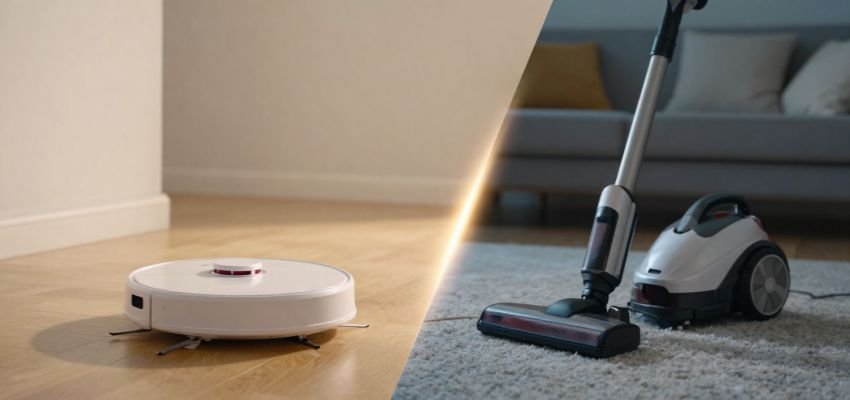
Feature | Robot Vacuum | Traditional Vacuum |
Cleaning Power | Excellent for daily maintenance | Superior for deep carpet & big spills |
Convenience | High (Automated/Scheduled) | Low (Requires manual labor) |
Reach | Battery or Wired (flexible) | Wired only |
Video Quality | Under low furniture (beds/vanities) | Stairs, corners, and upholstery |
Labor Type | "Set and forget" autopilot | Active physical effort |
Dust Build-up | Prevents daily accumulation | Allows build-up between cleans |
Real-World Use Cases & Practical Hacks
- The “Wet Mop” Trick: If you use a hybrid model like the Lubluelu, wet the microfiber cloth under a tap before starting the cycle. This prevents the robot from wasting half its water tank just trying to dampen a dry cloth.
- The Command Strip Hack: Secure your charging base to the floor with 3M Command Strips. This prevents the robot from accidentally nudging the base out of alignment when it tries to dock.
- The Cord Wrangle: Take 30 minutes to zip-tie loose cords or place them in low baskets under beds. This eliminates 90% of the reasons a robot gets “stuck.”
What to Look for Before Buying
The market has fractured into specialized niches. When choosing, consider these three top-tier budget contenders:
- Eufy (The Slim Specialist): Best for those with low furniture and a need for quiet operation.
- Lubluelu (The Rough-Terrain Expert): Best for homes with uneven slate tiles, wood thresholds, or those who want a vacuum/mop hybrid.
- Roborock (The LiDAR Champion): Best for those who want advanced room mapping and “no-go zones” on a budget.
Best Situations Where Robot Vacuums Shine
Robot vacuums are surprisingly versatile. They excel on:
- Hard Surfaces: Including wood, tile, and even uneven slate surfaces.
- Low-Pile Carpets: They easily transition over small wood thresholds.
- Hard-to-Reach Voids: The daily cleaning of the “void” under the bed significantly reduces the total dust volume in a home.
Final Verdict: Are Robot Vacuums Worth It?
The value of a robot vacuum lies in its ability to maintain a consistent baseline of cleanliness that prevents “the grubby feeling.” By handling the monotonous daily sweep, it frees up your time for deeper tasks. My professional recommendation: Start with a highly-rated budget model (150−200). Test how it fits your lifestyle and your home’s layout before splurging on premium features like self-emptying bins or AI-camera obstacle avoidance.
FAQs
Are robot vacuums good for pet hair?
Absolutely. Many users with three or more shedding dogs report that daily runs make pet hair a “non-issue,” often picking up a full bin of fine hair even after a professional cleaner has just left.
Can robot vacuums replace regular vacuums?
No. You still need a manual vacuum for the “5%”: stairs, upholstery, and corners behind heavy furniture.
How long do robot vacuums last?
With maintenance, several years. You should keep a 15−20 “refresh kit” of spare filters, whiskers, and rollers on hand to swap out as they wear down.
Do robot vacuums work on carpets?
Yes. Most modern models have sensors that detect the transition from hard floor to carpet and automatically boost suction power.
Are cheap robot vacuums worth it?
Yes. Models under $200 from Eufy and Roborock are often more reliable and easier to use than high-end models from a decade ago.
Will they fall down the stairs?
No. Cliff sensors provide a 100% success rate in preventing falls. The robot will sense the drop, stop, and turn around every time.