
For the vast majority of homeowners, a professionally monitored security system is an investment that pays for itself. The value is driven by three primary pillars: effective burglary deterrence, significant homeowners insurance discounts (typically 15–20%), and life-saving protection against environmental catastrophes like fire, carbon monoxide, and water leaks.
However, “worth” is not universal. It depends on your specific property risk, whether you choose a DIY or professional installation, and—most importantly—the monitoring terms. While modern DIY kits have lowered the barrier to entry, the reliability of a professional system with cellular backup remains the benchmark for comprehensive home protection.
Are Home Security Systems Worth It? The Short Answer
When evaluating Home Security, you are paying for a multi-layered defense. A system is worth the cost when the tangible savings—from insurance premiums and avoided property losses—outweigh the monthly monitoring fees.
As a consultant, I always provide a reality check: a system is a powerful deterrent, but not a 100% guarantee. Data from the University of North Carolina shows that 83% of burglars look for alarms before attempting a break-in, and 60% will move on if one is present. However, roughly 40% of intruders may still attempt an entry, meaning your system must be designed to detect and respond, not just look the part.
How Do Home Security Systems Work?
Modern systems function as an integrated ecosystem of sensors connected to a central hub.
- Component Breakdown:
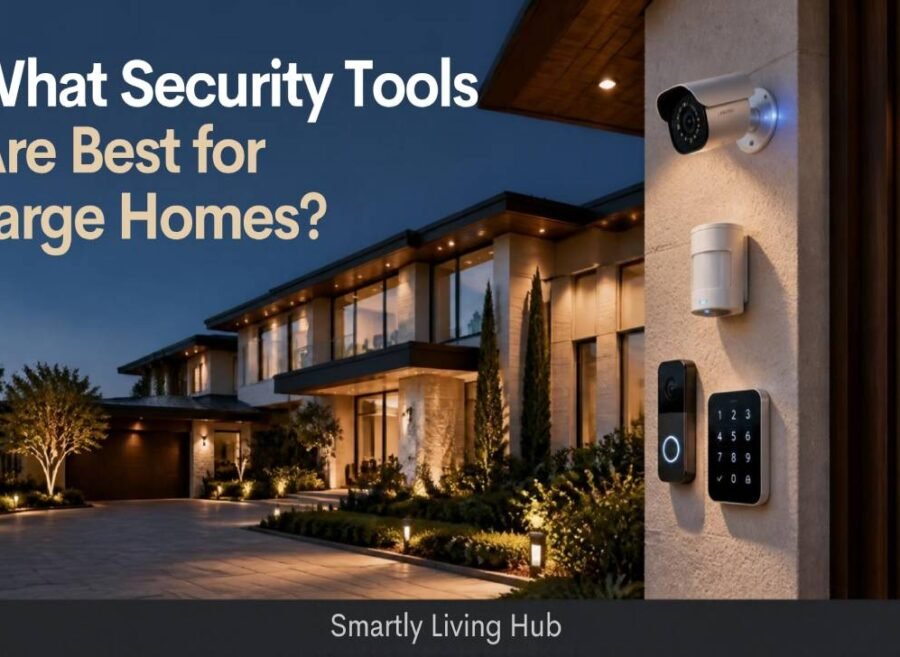
- Control Panel/Base Station: The “brain” of the operation that communicates with sensors and the monitoring center.
- Door/Window Sensors: These utilize magnetic field disruption. When the magnet and sensor are separated by an opening door or window, the alarm triggers.
- Motion Sensors: These protect interior volumes. I recommend strategic placement in “trap zones” like hallways to catch intruders who bypassed entry points.
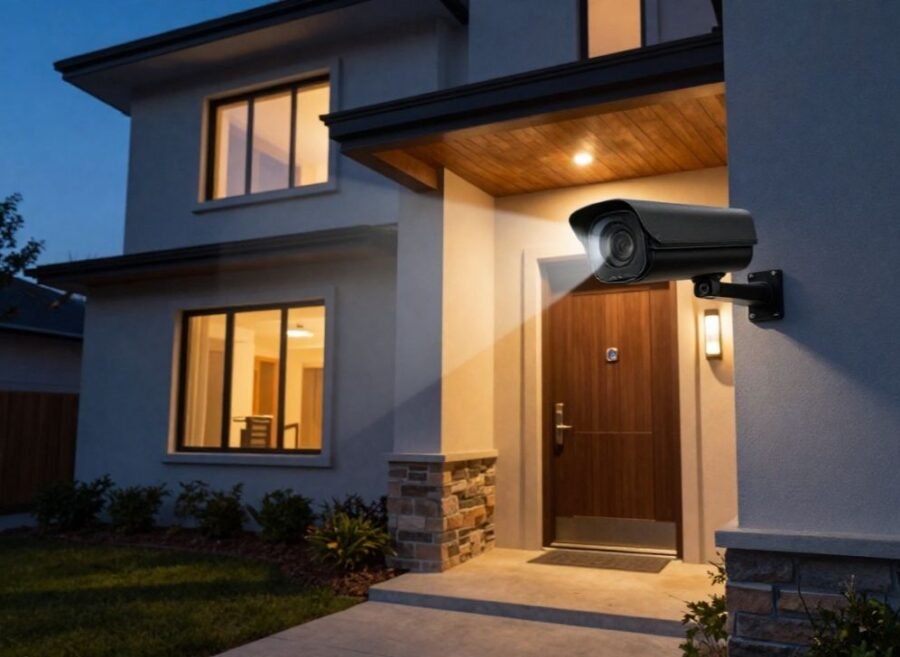
- Security Cameras and Video Doorbells: These offer remote viewing and cloud storage, allowing you to verify alerts from your smartphone.
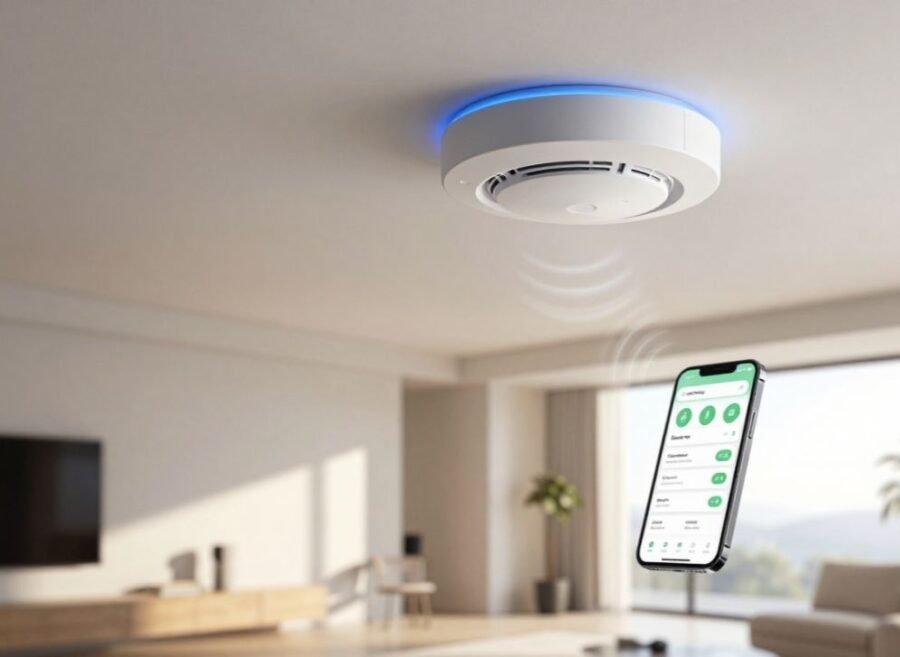
- Environmental Sensors: These monitor for “silent” threats including Smoke, CO, Water leaks, and Temperature extremes.
- Monitoring Logic:
- Professional Monitoring: 24/7 coverage by a UL-Listed monitoring center that can dispatch police, fire, or EMS even if you are unreachable.
- Self-Monitoring: User-led response. While this eliminates monthly fees, it relies entirely on your ability to see a notification and call 911 in real-time—a dangerous gamble during an emergency.
Benefits of a Home Security System
- The Power of Deterrence: Homes without security systems are 300% more likely to be targeted. Visible cameras and signage force burglars to recalculate their risk, with 60% choosing an easier target immediately.
- Professional Protection: Professional monitoring provides 24/7 dispatch and smartphone alerts, ensuring the “vulnerability window” remains closed.
- Environmental Safety: Beyond burglary, sensors protect against fire and CO 24/7. Water leak detection is particularly high-ROI, as water damage causes $13 billion in annual claims. In humid climates like Florida, a monitored system can detect AC failure, preventing mold growth which can begin in as little as 24–48 hours and lead to five-figure remediation costs.
- Financial Perks: Most providers offer a 5–20% discount on homeowners insurance for monitored systems. For detailed information on these savings, refer to the Insurance Information Institute.
What Are the Downsides of Home Security Systems?
- The “Contract Trap”: Many national brands use predatory 3-to-5-year contracts. These often include auto-renewals and steep early termination fees.
- Technical Friction: False alarms can occur due to poor sensor placement or pet interference. Additionally, many DIY systems depend solely on Wi-Fi, leaving them vulnerable to internet outages.
- Service Gaps: This is the industry’s “dirty secret.” Many national and DIY brands have no local technicians. If a component fails, you are stuck with a “video service call” and must wait days for a replacement part to arrive in the mail, leaving your home unprotected in the interim.
- Privacy: Indoor cameras require careful placement and secure encryption to address privacy concerns.
How Much Does a Home Security System Cost?
The cost of security is categorized into four primary buckets:
Cost Category | Estimated Range |
Equipment | $200 – $1,500+ |
Installation | $0 (DIY) – $200 (Professional) |
Activation | $25 – $100 |
Monthly Monitoring | $20 – $60 |
10-Year Analysis: Over a decade, the total cost of a professionally monitored system ranges from $3,240 to 7,100**. When compared to potential insurance savings (2,100–$8,400) and avoided losses from burglary (avg. $2,800) or water damage (avg. 12,000+), the potential value returned totals **21,000 to over $70,000.
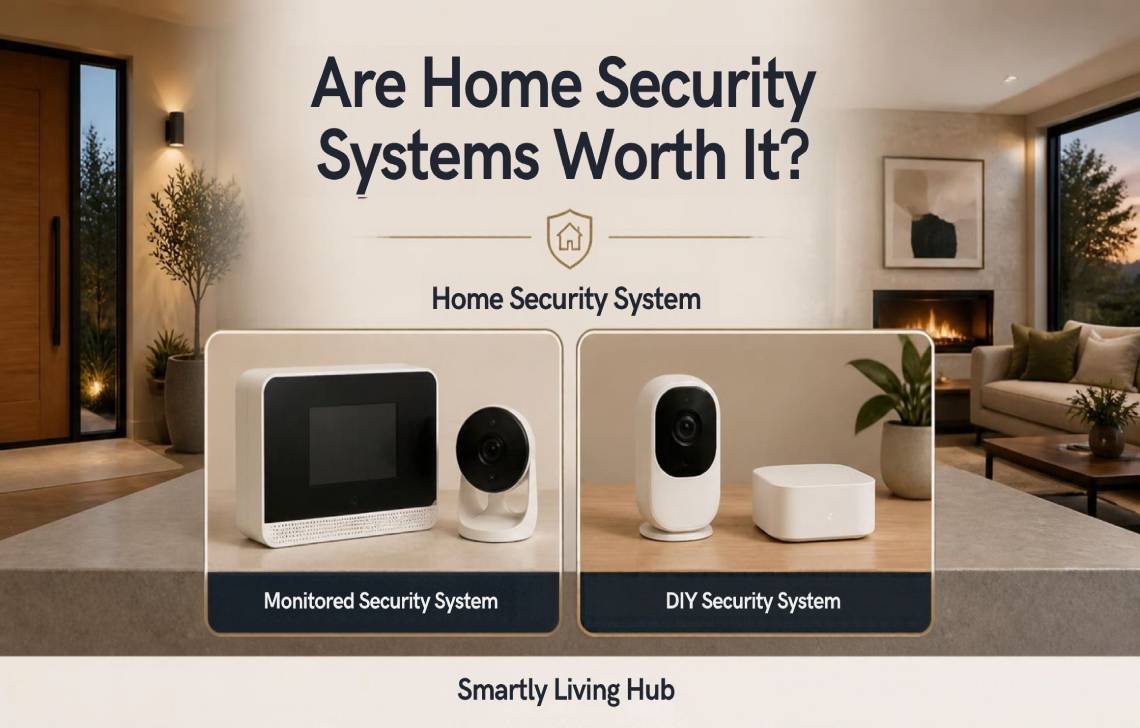
DIY vs. Professional Home Security Systems
DIY Systems
- Advantages: Lower upfront costs; no installation fees; portable for renters.
- Disadvantages: Often Wi-Fi dependent (vulnerable); self-monitoring puts the burden of dispatch on you; “mailed-in” parts mean the system stays down for days during repairs.
Professional Systems
- Advantages: 24/7 professional dispatch; strategic professional installation; cellular backup; local technician support for in-person repairs.
- Disadvantages: Higher initial equipment cost; monthly monitoring fees; requires vetting for a reputable local provider.
Recommendation: DIY is suitable for short-term renters. Professional systems are the only choice for homeowners, frequent travelers, and those with high-value property who require 100% reliability.
When Is a Home Security System Worth It?
A security system provides the highest ROI in these scenarios:
- Frequent Travelers: If you are often away, the system acts as your eyes and ears.
- Daytime Vulnerability: Roughly 65% of burglaries happen during the day when homes are empty. A system protects you while you are at work, not just at night.
- High-Value Belongings: With average burglary losses at $2,800, a system pays for itself in a single prevented incident.
- High-Risk Locations: Properties in areas with high crime rates or high insurance premiums (like Florida or Texas) benefit most from the percentage-based insurance discounts.
When Is a Home Security System Not Worth It?
I advise skipping a system if:
- Financial Strain: The monthly fee causes genuine financial stress.
- Short-Term Rentals: If you move every few months, the installation overhead isn’t worth it.
- High-Pressure Sales: Never buy from a door-to-door salesperson using “today only” tactics.
- Disuse: If you know you will never consistently arm the system, the hardware is just expensive wall decor.
What Features Make a Security System Worth the Money?
Prioritize these features for maximum ROI:
- 24/7 Professional Monitoring: The only way to ensure 911 is called when you are unavailable.
- Cellular and Battery Backup: Essential for maintaining protection during power cuts or internet outages.
- Water Leak Detection: A $30 sensor can prevent a $12,000 insurance claim.
- Smart Home Integration: Manage smart locks and thermostats through a single, secure platform like [Alarm.com]([Internal Link: Related Article on Smart Home Integration]).
How to Decide If a Home Security System Is Worth It for You
- Assess Local Risk: Check crime stats and your property’s visibility.
- Run the Florida Math: In high-premium states like Florida, an average $4,200 premium with a 10% discount saves you $420/year—often more than the cost of basic monitoring.
- Evaluate Environmental Risk: Compare the $30 cost of a water sensor against the $12,000 average cost of a major leak or the catastrophic cost of mold remediation.
- Verify Contract Terms: Avoid the “Contract Trap” by choosing providers with transparent, no-contract, or month-to-month options.
Final Verdict
For the majority of homeowners, a home security system is a rare investment that actually pays for itself. Through insurance savings and the prevention of catastrophic losses from theft, fire, or water, the math is clear. To maximize your value, avoid the national “contract traps” and prioritize local service over remote, mailed-in support.
FAQs
Do burglars avoid homes with cameras and alarms?
Yes. Convicted burglars consistently report that visible security measures are the number one reason they move to a different target.
How much can I save on homeowners insurance?
Most insurers offer a discount of 5–20% for a monitored system. You can find more specific estimates through this guide from PolicyGenius.
What is the “hidden value” of a security system?
The most consistent value often comes from environmental monitoring. Detecting a fire or water leak early—or an AC failure before mold grows—can save tens of thousands in remediation costs.
What happens if the system breaks?
With DIY or national brands, you are often stuck with remote video troubleshooting and mailed parts. A local professional provider will send a technician to your home to ensure the system is fixed correctly and quickly.