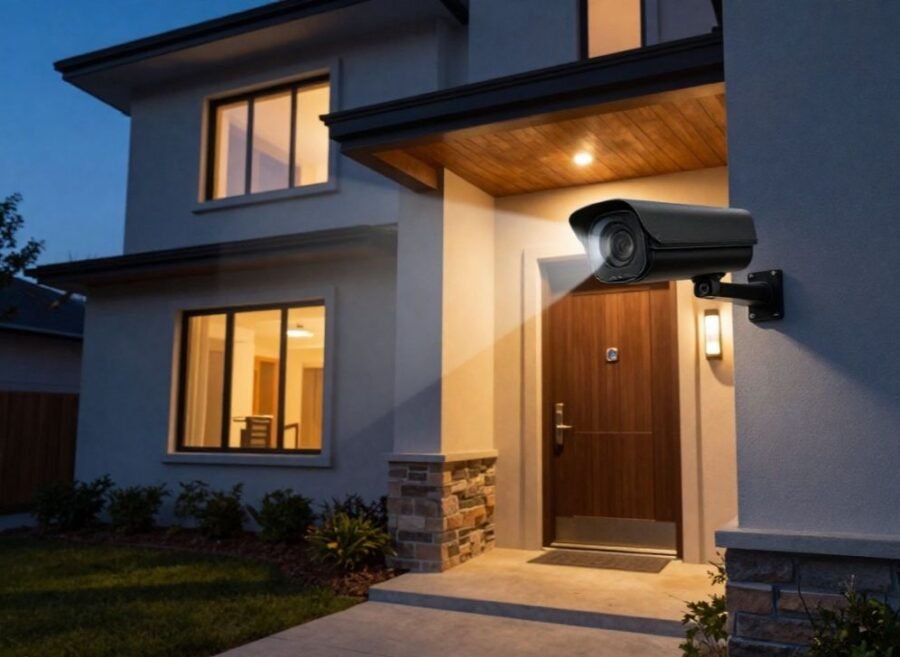

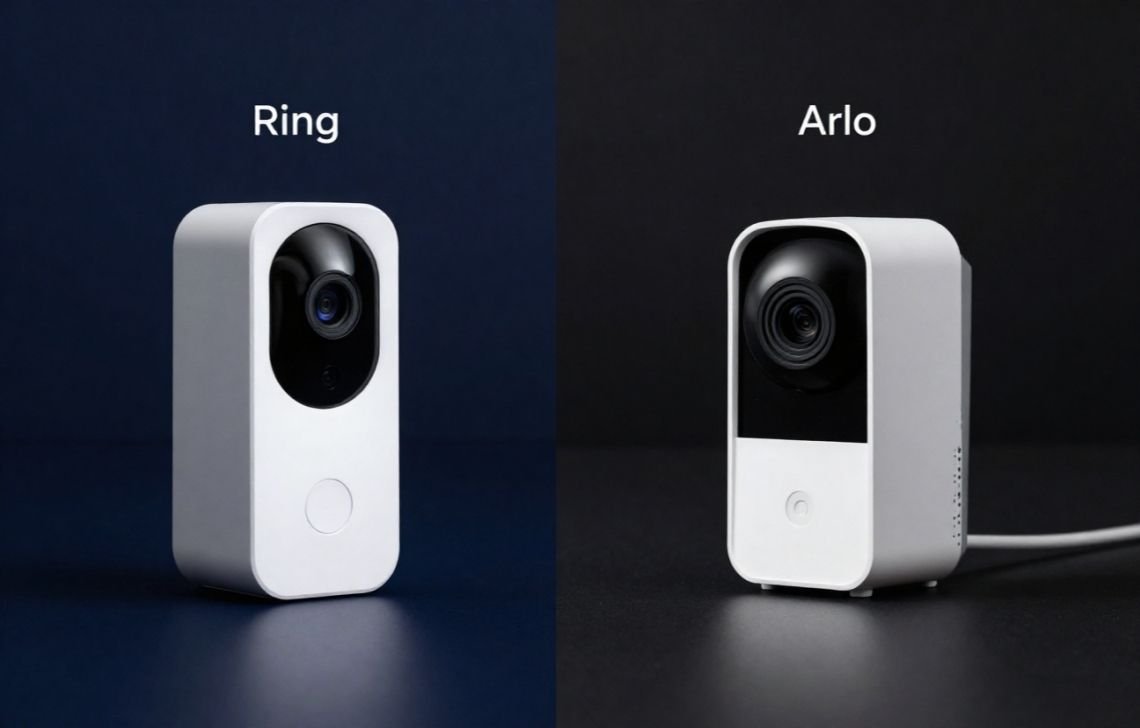
Choosing between Ring vs Arlo in 2026 is a high-stakes decision for any homeowner. While both brands dominate the DIY space with sophisticated hardware, they operate on fundamentally different engineering philosophies.
As a senior home security strategist, I’ve dismantled and field-tested the latest 2025/2026 updates from both manufacturers. My analysis reveals a clear divide: Ring is a comprehensive “whole-home” alarm solution, while Arlo remains a “video-first” precision powerhouse.
This home security comparison uses hands-on data to help you navigate the nuances of these DIY security systems, ensuring you choose the platform that matches your specific safety requirements.
Quick Comparison: The Specs at a Glance
Feature | Ring | Arlo | Best For |
Entry Price (Upfront) | $49.99 (Indoor Cam) | $39.99 (Essential Indoor) | Arlo (Lowest entry cost) |
Monthly Subscription | Starts at $4.99 | Starts at $7.99 | Ring (Better long-term value) |
Max Video Resolution | 4K (Late 2025/2026 models) | 4K HDR | Tie (Ring has closed the gap) |
Compatibility | Alexa (Native), Z-Wave | Alexa, Google, HomeKit | Arlo (Platform agnostic) |
24/7 Pro Monitoring | Yes (AI Pro Plan) | Yes (SafeHub Required) | Ring (Standard for value) |
Core Features and Technology: Beyond the Lens
1. Ring’s Ecosystem Approach
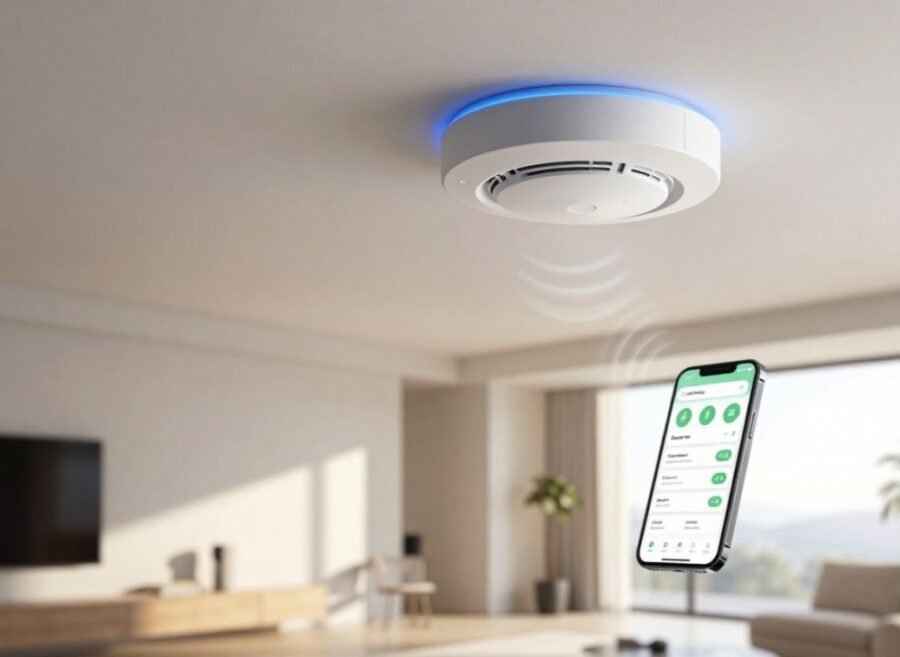
Ring’s hardware is built around a “whole-home” philosophy. The Ring Alarm hub utilizes the Z-Wave protocol, a low-power mesh networking technology.
From a technical standpoint, Z-Wave is superior for security because it operates on a different frequency than your home’s Wi-Fi, meaning your sensors won’t clog your internet bandwidth. This allows Ring to support a massive ecosystem of entryway, motion, and environmental sensors seamlessly.
2. Arlo’s Visual Intelligence
Arlo prioritizes camera-based security over traditional contact sensors. Their strength lies in deep-learning AI that distinguishes between people, vehicles, and animals.
In my testing, Arlo’s AI significantly reduced “noise” alerts. For instance, it can ignore a neighbor’s dog strolling onto the property while still triggering an alert for a human intruder. While Arlo offers an All-in-One sensor (monitoring tilt, water, and temp), it is less specialized than Ring’s dedicated hardware.
3. Specialized Tech: Radar vs. PIR
Ring has pioneered 3D Motion Detection, also known as “Bird’s Eye View.” Using radar technology rather than standard Passive Infrared (PIR), it tracks the exact path of a visitor on a map.
Arlo counters with elite visual processing, offering facial recognition and a wider field of view. While Ring tracks the “where,” Arlo’s 4K HDR sensors focus heavily on the “who.”
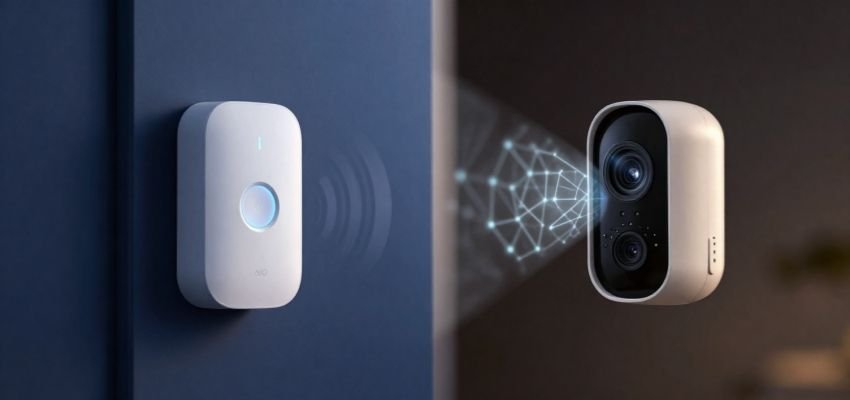
Video Quality and Performance: The Ring vs Arlo 4K Reality
The performance gap in Ring vs Arlo video quality has narrowed significantly following Ring’s late 2025 hardware refresh.
The 4K Showdown Arlo has long been the resolution king, but Ring’s new 4K models are now a technical match. In testing, Ring’s 4K feed maintained perfect clarity even when maxing out its 10x digital zoom. Arlo’s Ultra 2 remains excellent, but it no longer holds the monopoly on long-distance identification.
Doorbell “Goldilocks” Resolution Ring’s latest doorbells utilize a 1536p resolution. I call this the “Goldilocks” resolution—it sits perfectly between 1080p and 2K, providing enough pixel density to identify faces without the heavy lag sometimes associated with 4K doorbell streams.
Night Vision Arlo excels with Color Night Vision, which provides critical context like the color of an intruder’s clothing. Ring relies on a combination of Infrared Night Vision and high-intensity spotlights to illuminate the scene.
Monitoring Plans and Long-Term Costs
Understanding the “Cost of Ownership” requires looking at the subscription tiers over several years.
Ring Pricing and the AI Pro Plan The industry value benchmark is Ring’s AI Pro plan at $19.99/month. This single fee covers 24/7 professional monitoring and unlimited cameras, making it the most cost-effective choice for large properties.
Arlo Pricing and the SafeHub Arlo’s professional monitoring costs $24.99/month and requires the Arlo SafeHub (the brand’s Keypad/Sensor Hub). While Arlo cameras can work directly on Wi-Fi, you must have the hub for a professionally monitored alarm response.
Subscription Breakdown: What You Get
- Free (No Subscription): Live stream access and basic motion alerts. No video recording.
- Ring Subscription: 180 days of cloud history, person/package alerts, and cellular backup (Standard/Pro).
- Arlo Subscription: 30–60 days of cloud history and advanced AI (vehicle, animal, and package detection).
Smart Home Integration: Ring vs Arlo Compatibility
Your existing ecosystem often dictates which brand you should choose.
- Ring: Owned by Amazon, it is the ultimate choice for Alexa users. It offers the tightest integration with Echo Show devices but lacks native support for Apple HomeKit or Google Assistant.
- Arlo: This is the platform-agnostic champion. It works natively with Alexa, Google Assistant, and Apple HomeKit, making it the better choice for diverse households.
Installation and User Experience
Both systems are leaders in the DIY security systems market, but their physical footprints differ.
Mounting and Durability Arlo uses a magnetic mounting system that is incredibly user-friendly for battery charging. However, Ring’s screw-in security mounts offer higher durability and greater resistance to theft, which is a priority for high-crime areas.
Software Performance In the world of security, app speed is safety. The Ring app holds a high rating of 4.7 on iOS, reflecting a stable, intuitive interface. The Arlo app holds a 4.0 on iOS, with some users reporting more frequent latency when trying to connect to 4K live streams.
Pros and Cons: The Honest Truth
Pros:
- Unbeatable value for professional monitoring ($19.99/mo for the AI Pro plan).
- Vast sensor ecosystem including fire, flood, and freeze detection.
- Z-Wave protocol doesn’t compete with your home’s Wi-Fi bandwidth.
Cons:
- Strictly limited to the Amazon/Alexa ecosystem.
- Screw-in mounts are more labor-intensive than magnetic options.
- Advanced 4K hardware is limited to the newest high-end models.
Pros:
- Leading 4K HDR video quality with 60-day cloud history options.
- AI reduces false alerts from “neighbor’s dogs” or passing cars.
- Full native support for Apple HomeKit and Google Assistant.
Cons:
- Higher monthly subscription costs for professional monitoring.
- Lacks dedicated environmental sensors (smoke/CO/flood).
- Requires a specific SafeHub for professional monitoring features.
Use Cases: Who Should Choose What?
The Budget-Conscious Homeowner Ring wins. If you have five cameras and want a monitored alarm, Ring’s AI Pro plan saves you hundreds of dollars annually compared to Arlo’s multi-camera fees.
The Tech Enthusiast/Visual Purist Arlo is the choice for those who demand the highest resolution and use a non-Amazon smart home hub. Its magnetic mounts and sleek AI features are designed for visual precision.
The “Whole-Home” Protection Seeker Ring is the winner for total safety. Because Ring offers environmental sensors (fire and flood), it guards against structural threats that cameras alone cannot detect.
The Verdict: Ring or Arlo for 2026?
After rigorous testing of the latest 4K hardware and sensor hubs, we have our final rankings.
Overall Winner: Ring (SecureScore: 9.2) Ring is the superior choice for most users. Its comprehensive sensor ecosystem, affordable professional monitoring, and Z-Wave reliability make it a true home security system rather than just a camera network.
Premium Choice: Arlo (SecureScore: 8.2) Arlo remains the premium option for users who want image clarity above all else and require a system that integrates with the Apple or Google ecosystems.
FAQs
Does Ring work with Google Home?
No. Ring is an Amazon-owned company and does not natively support Google Home or Assistant.
Can Arlo cameras record without a subscription?
No. You can view a live feed, but you must have a paid subscription to save or review recorded video clips.
Which has better night vision: Ring or Arlo?
Arlo’s Color Night Vision offers more detail, but Ring’s integrated spotlights and infrared sensors are highly effective for total darkness.
Do I need a hub for Ring or Arlo?
You need the Ring Base Station for the alarm sensors. Arlo cameras can connect directly to Wi-Fi, but you need the SafeHub for professional monitoring.