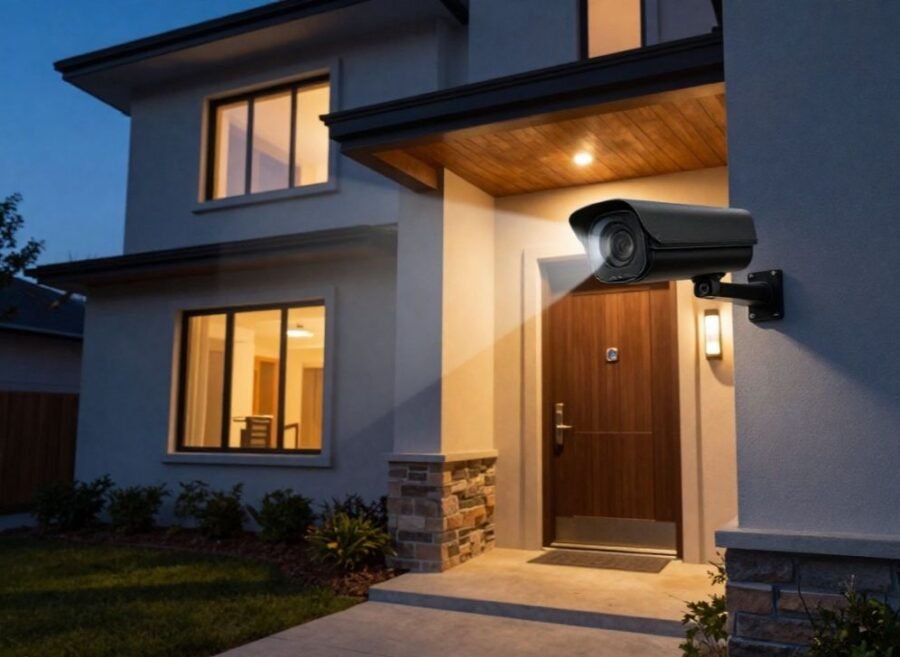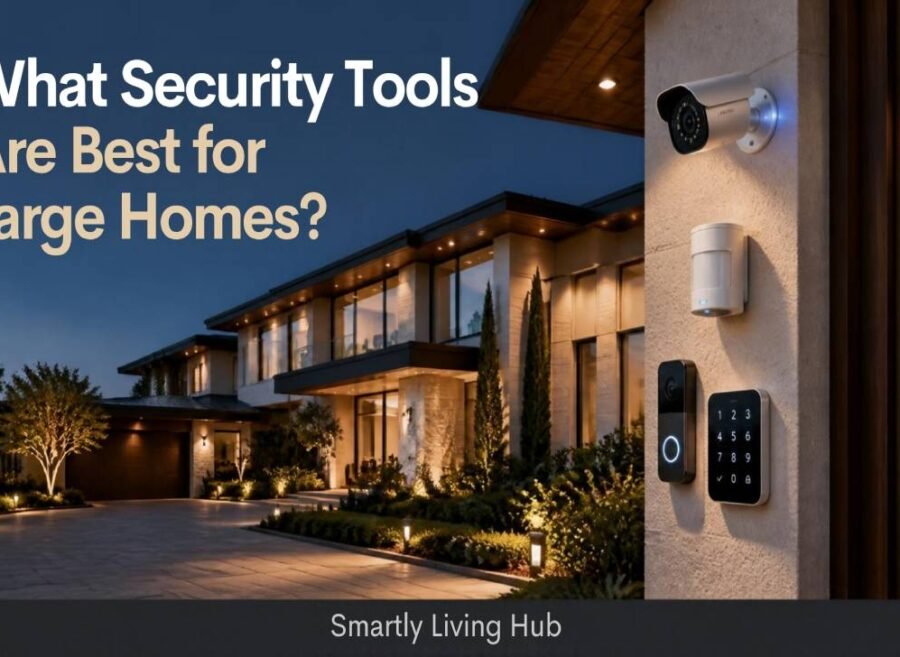

Leaving a home unattended has historically triggered a persistent level of anxiety, largely because traditional, “non-smart” alarms were inherently reactive. These older systems operated primarily as local noise-makers; they sounded a siren after a breach occurred but lacked the transparency to inform the homeowner in real-time. Reliant on vulnerable landlines and physical keypads, they offered no visibility to the user once they stepped off the property.
The modern solution to this uncertainty is the best smart home alarm system. This technology represents a fundamental shift toward digital dependability, providing homeowners with the ability to monitor their perimeter from anywhere in the world. By transitioning security from a passive deterrent to an active, connected ecosystem, you gain comprehensive protection that adapts to your lifestyle.
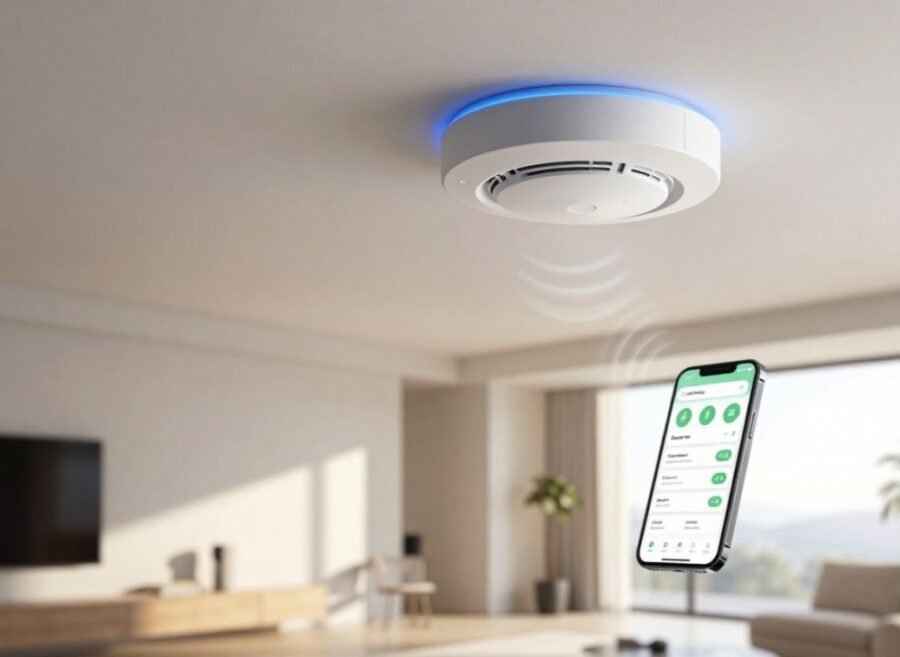
At its core, a best smart Alarm System is a modernized security network that utilizes your home’s Wi-Fi to create a bridge between your physical sensors and your smartphone. This integration allows for real-time push notifications, live video feeds, and remote management through a single interface. It is no longer just about sounding an alarm; it is about maintaining total control and comfort regardless of your physical location.
Critical Factors: What to Consider Before Buying
Choosing the best smart Alarm System requires more than a cursory glance at marketing materials; it necessitates a technical evaluation of how the hardware will perform within your specific environment. A Senior Consultant views security as a holistic architecture where interoperability and connection redundancy are just as important as the sensors themselves. You must evaluate your property’s footprint and your own technical requirements to ensure long-term utility.
Key Considerations
- Cost Structures: Transparency in pricing is essential, as the initial hardware investment is often just the baseline. You must account for equipment costs, potential activation fees, and ongoing monitoring expenses, while being wary of hidden charges that can inflate the total cost of ownership.
- Practical Application: Evaluate whether a low-cost $150 starter kit remains affordable after adding the $30/month subscription required for cloud video storage.
- Monitoring Types: The decision between DIY and professional monitoring hinges on your availability. DIY monitoring puts the onus on you to call emergency services, while professional monitoring provides 24/7 oversight from a dedicated center.
- Practical Application: For those who travel frequently or work in “dead zones” without cell service, professional monitoring ensures a response even when you are unreachable.
- Connection Reliability: Systems generally communicate with the monitoring center via landline, broadband, or cellular signals.
- Practical Application: Always prioritize a system with cellular backup; this ensures the hub can still transmit an emergency signal if a burglar cuts your exterior internet line or if a storm knocks out the power.
- Smart Integration: The longevity of your system depends on its ability to communicate with third-party devices. Interoperability with ecosystems like Alexa, Google Assistant, or Apple HomeKit allows for more complex automation.
Practical Application: Select a system that allows you to “Voice Arm” the alarm via your bedside smart speaker as part of your nightly routine.
Wired vs. Wireless
Wired systems are traditional installations where sensors are physically tethered to the control panel. While they are often considered more reliable because they are not subject to signal interference, the physical cords can be “weak points” susceptible to weather damage. They typically require professional installation involving drilling through walls, making them a permanent fixture of the property.
Wireless systems utilize radio wave transmitters to connect sensors to a central hub. These are widely recognized as the best alarm system for renters because they offer a non-invasive, “peel-and-stick” setup. While they require periodic battery maintenance, their flexibility allows you to expand the system or move it to a new home with ease, provided you have a stable network environment.
Top-Rated Smart Alarm Systems & Components (2026 Reviews)
1. SimpliSafe (Best Overall)
SimpliSafe remains the industry standard for user-friendly DIY security. The system arrives with pre-programmed sensors, allowing for a setup process that rarely exceeds 30 minutes. It operates on a transparent, contract-free model that appeals to those who prioritize flexibility over long-term commitments.
Pros and Cons
- Pros: Rapid DIY installation, intuitive mobile interface, no long-term contracts.
- Cons: Limited third-party smart home deep-linking; camera hardware is functional but lacks high-end cinematic resolution.
- Consultant’s Take: SimpliSafe is the benchmark for “digital dependability” for the average user. While it doesn’t offer the deepest automation for power users, its reliability and the low entry point for professional monitoring make it a formidable choice. This system is best for beginners and homeowners seeking a reliable, straightforward security ecosystem without contractual obligations.
2. Ring Alarm Pro (Amazon’s Top Choice)
The Ring Alarm Pro is a top contender for the best smart Alarm System specifically because it serves a dual purpose. It integrates a built-in eero Wi-Fi 6 router, which strengthens your home’s connectivity while simultaneously managing its security sensors.
Pros and Cons
- Pros: Integrated Wi-Fi 6 mesh routing, superior Alexa integration, highly scalable with existing Ring cameras.
- Cons: Deeply tied to the Amazon ecosystem; significant privacy scrutiny regarding data-sharing policies.
- Consultant’s Take: This is a “two-birds-one-stone” solution. By combining your network backbone with your security hub, Ring reduces hardware clutter and ensures that your cameras have the bandwidth they need to function without lag. This system is best for dedicated Alexa users and those looking to upgrade their home network alongside their security.
3. ADT Smart Home Security
With decades of institutional knowledge, ADT is the premier choice for those seeking professional-grade reliability. Their systems are typically installed by technicians who can identify and mitigate blind spots that a DIYer might miss. ADT is frequently ranked as the best smart alarm system for businesses and large estates due to its robust 24/7 monitoring infrastructure.
Pros and Cons
- Pros: Fastest industry response times, 24/7 redundant professional monitoring, expert-led installation.
- Cons: High total cost of ownership; typically requires 1–3 year contracts.
- Consultant’s Take: ADT offers the “set it and forget it” luxury. You pay a premium for the peace of mind that comes with their massive monitoring network, which is often a non-negotiable requirement for commercial insurance compliance. This system is best for large properties and business owners who require white-glove service and professional oversight.
4. Abode Iota
The Abode Iota is a versatile, all-in-one hub that houses a camera, siren, and motion sensor in a single, sleek unit. It is one of the few systems that provides native support for Apple HomeKit, Z-Wave, and Zigbee, making it a bridge for almost any smart device.
Pros and Cons
- Pros: Comprehensive HomeKit integration, supports diverse wireless protocols, no mandatory monthly contracts.
- Cons: The mobile app interface can feel less polished than Ring or SimpliSafe; hardware design is utilitarian.
- Consultant’s Take: For the tech enthusiast, the Iota is a “Swiss Army Knife.” It is arguably the best alarm system for renters who want high-end automation features without drilling holes into their apartment walls. This system is best for Apple HomeKit users and apartment dwellers who want a compact, powerful security hub.
5. Arlo Home Security System
Arlo has pivoted from being a camera-only company to offering a full-featured alarm system. Their hardware is characterized by industry-leading video quality and “All-in-One” sensors that monitor for motion, door/window openings, and environmental hazards like smoke and water leaks.
Pros and Cons
- Pros: Exceptional 2K/4K video resolution, advanced smoke and leak detection, sleek hardware aesthetic.
- Cons: High equipment costs; many essential software features are locked behind a monthly subscription.
- Consultant’s Take: Arlo is the visual-first choice. If your primary goal is high-fidelity evidence and environmental safety (leak/smoke detection), Arlo is worth the premium, though the total cost of ownership rises quickly. This system is best for users who prioritize high-end video surveillance and comprehensive environmental monitoring.
6. NetraClos Smart Alarm & Intrusion System
NetraClos offers a sophisticated, highly customizable solution tailored for the Canadian market. It goes beyond basic security by integrating maintenance alerts for sewage leaks and gas detection. It is the best smart alarm system for large homes because it emphasizes home automation as a security layer.
Pros and Cons
- Pros: Extensive customization; monitors sewage, gas, and floods; features robust “mock occupancy” routines.
- Cons: Typically requires professional consultation for full-blown setups; not as widely available in retail as DIY kits.
- Consultant’s Take: NetraClos excels in creating a “responsive home.” Their system can integrate your TV and music system to simulate your daily routine while you’re away, which is a significantly more effective deterrent than a simple siren. This system is best for Canadian homeowners seeking a professional, all-encompassing automation and maintenance-integrated security setup.
7. Yale Assure Touchscreen Deadbolt (YRD226-CBA-BSP)
This touchscreen deadbolt is a critical “limb” of any security ecosystem. It features a weather-protected gasket and a backlit keypad that resists wear. When used with a Smart Module, it can store up to 250 unique codes, providing granular control over who enters your property.
Pros and Cons
- Pros: Keyless convenience, geofencing for auto-unlocking, tamper-resistant battery cover.
- Cons: Dependent on battery life; requires a compatible hub for remote management.
- Consultant’s Take: Entry-point security is the first line of defense. The Yale Assure is a “Senior Consultant” favorite for its physical durability and the ability to share digital keys with contractors or guests without compromising master codes. This component is best for homeowners looking to eliminate physical keys and manage access via smartphone.
8. Google Nest Thermostat E
While technically a climate device, the Nest Thermostat E is vital for safety. It utilizes a “Nest Leaf” feature to encourage energy efficiency and integrates with the Heat Link E to regulate temperature. It can even remember your schedule to turn itself down when the house is empty.
Pros and Cons
- Pros: Easy DIY setup, frosted display blends into decor, excellent energy savings.
- Cons: Frosted screen can be difficult to read from a distance; restricted to the Google Home ecosystem.
- Consultant’s Take: A smart home isn’t secure if it isn’t safe. The Nest Thermostat E protects the home’s infrastructure by preventing pipe freezes and integrating with smoke detectors to shut off the HVAC if fire is detected. This is best for users who want to merge energy efficiency with their safety and security plan.
9. Honeywell Home T6 Pro Smart Thermostat
The T6 Pro is a professional-grade component featuring a 5-year warranty. It utilizes the standard UWP mounting system, which simplifies future upgrades. Its location-based geofencing ensures your home is comfortable the moment you arrive while saving energy while you are away.
Pros and Cons
- Pros: Industry-standard UWP mounting, 5-year warranty, supports wired indoor/outdoor sensors.
- Cons: Aesthetic is more traditional/industrial; interface is less “playful” than Nest.
- Consultant’s Take: Reliability is the core of the T6 Pro. The UWP mounting system is a significant advantage for homeowners who want to ensure their hardware is future-proof and easy to service by any HVAC professional. This is best for homeowners who value professional-grade hardware and long-term warranty protection.
10. Hikvision 1080p HD Outdoor Wi-Fi Smart Doorbell
This doorbell provides high-definition front-door security with customizable motion detection zones. It features 19.7ft infrared night vision and two-way audio, allowing you to intercept “porch pirates” or greet visitors from your phone.
Pros and Cons
- Pros: Dual-band Wi-Fi connectivity, clear 1080p resolution, advanced motion detection.
- Cons: Requires a robust Wi-Fi signal at the front door; performance is dependent on mounting height.
- Consultant’s Take: The front door is the most common point of interaction. Hikvision’s customizable zones are essential for reducing false alerts from street traffic, making it a “cleaner” notification experience for the user. This is best for users who need clear video evidence of deliveries and front-door activity.
Comparison Table: At-a-Glance Buying Guide
Brand | Best For | Monitoring Fee | Smart Integration | Starting Price |
SimpliSafe | Easy Setup | Starts at $0.66/day | Alexa, Google | $249 |
Ring Alarm Pro | Network Synergy | $20/month | Alexa | $299 |
ADT | Pro Reliability | $28+/month | Alexa, Google, Z-Wave | Varies |
Abode Iota | Apple Ecosystem | Starts at $6/month | HomeKit, Alexa, Google | $279 |
Arlo | High-End Video | Starts at $12/month | Alexa, Google | $199+ |
Categorized Recommendations
Best for Businesses
For commercial security, ADT and NetraClos are the industry leaders. ADT provides the necessary 24/7 professional monitoring and legal documentation required by many business insurers. NetraClos adds a layer of facility management by monitoring for sewage leaks and gas emergencies, which can prevent catastrophic property damage in warehouses or retail spaces.
Best for Large Homes
Large estates require a scalable architecture that includes both wired and wireless components. The best smart home alarm system for a sprawling property will utilize cellular backup and professional installation to ensure that sensors in distant wings or outbuildings remain connected to the hub. Systems with Z-Wave or Zigbee compatibility are preferred here to allow for the mesh-networking of dozens of sensors.
Best for Renters & Apartments
If you are living in a lease-restricted property, the best smart alarm system for apartments is a non-invasive kit from SimpliSafe or Abode. These systems use high-bond adhesive for sensors and “peel-and-stick” pads for keypads, ensuring you can secure your home without drilling or permanent wiring. When your lease ends, the system can be easily removed and reinstalled at your next location.
Budget Considerations
While it is nearly impossible to find a comprehensive smart alarm system under $100, budget-conscious users can start with a “foundation and limb” approach. Begin with a single smart doorbell or a standalone indoor camera, then gradually add entry sensors and a central hub as your budget allows.
The Technical Edge: Integration and Privacy
Smart Ecosystems
The ultimate expression of smart security is “Mock Occupancy.” By syncing the best smart Alarm System with your smart lighting, blinds, and thermostats, you can simulate a lived-in presence. NetraClos systems take this further by integrating your TV and music systems. When “Away” mode is triggered, the house can turn on specific lights at sunset, play music at 7:30 AM, and even open motorized blinds, making the property a much less attractive target for burglars.
Security & Privacy
A common question in this industry is: “Can it be hacked?” To be transparent, any internet-connected device has a non-zero risk of compromise. However, the likelihood is extremely low if you follow professional protocols. You must be vigilant with your home network: enable two-factor authentication (2FA), use strong and unique passwords for every device, and ensure firmware is regularly updated to patch known vulnerabilities.
Final Verdict and Recommendation
The transition to smart security represents a shift from reactive sirens to proactive, intelligent protection. Traditional systems only tell you something happened; the best smart Alarm System tells you what is happening in real-time. By integrating video surveillance, environmental sensors, and home automation, you create a responsive environment that deters threats before they escalate.
When selecting your system, prioritize based on property size and your desire for professional oversight. Renters and tech-savvy homeowners should lean toward SimpliSafe or Abode for their flexibility. Those with large estates or businesses should invest in the professional infrastructure provided by ADT or NetraClos.
Do not leave your security to chance. Evaluate your perimeter requirements and select a system that offers the digital dependability your home requires. Visit the providers listed above to check the latest prices and finalize your home security plan today.
FAQ Section
Can I install a smart home alarm system myself?
Yes. Most modern systems, particularly SimpliSafe and Ring, are designed for DIY installation using app-based step-by-step guides and adhesive-mounted hardware.
What happens to the house alarm when the power goes out?
Most hubs include backup batteries that provide 12 to 72 hours of operation. Systems with cellular backup will continue to send alerts to your phone and monitoring center even if your Wi-Fi router loses power.
Do smart alarms work without Wi-Fi?
Yes. Systems like NetraClos do not rely on Wi-Fi for their core operations. Local sensors will still trigger sirens, and systems with cellular backup can still communicate with you and the monitoring center.
Is a wireless alarm better than a wired one?
It depends on your priority. Wired is often more reliable and lower maintenance, but wireless is significantly easier to install, more flexible for expansion, and ideal for renters.
Can I connect my house alarm to my phone?
Absolutely. Every smart alarm system includes a dedicated app for remote management, allowing you to arm, disarm, and view live video from anywhere.
Do the police come if the house alarm goes off?
In most jurisdictions, police do not respond to burglar alarms unless they receive “verified” confirmation of criminal activity or a direct threat to personal safety. Professional monitoring services often provide this verification.
Are smart alarms worth the money?
Yes. For a contemporary home, they offer a level of proactive protection, remote access, and peace of mind that traditional “siren-only” systems cannot match.