
A water leak detector works by utilizing metal probes to monitor electrical continuity; when water touches these probes, it acts as a conductor to complete an electrical circuit and trigger an immediate alarm. These devices serve as a critical early warning system, designed to detect moisture the moment a pipe fails or an appliance overflows, preventing the nightmare of structural rot and catastrophic property loss.
For homeowners, a leak is more than just a repair bill—it is an emotional and logistical toll that can displace a family for weeks. Modern sensors provide a “set it and forget it” solution, offering an automated layer of defense that watches over your home’s most vulnerable points 24/7.
What Is a Water Leak Detector?
A water leak detector is a specialized continuity sensor designed to identify moisture in areas where it should never be. While a major flood is obvious, many of the most damaging leaks are the invisible threats—the slow drips behind cabinetry or under floorboards that lead to mold and structural decay.
The value proposition is simple: the cost of a high-quality sensor is negligible compared to the $10,000+ repair bills often associated with water damage. By placing these sensors in high-risk zones, you transition from reactive damage control to proactive property protection.
Common Leak Locations
To maximize your home’s safety, sensors should be strategically placed in areas where plumbing is most likely to fail:
- Under Sinks: Specifically tucked beneath the “U-bend” and near the hot/cold supply lines.
- Laundry Rooms: Positioned near the floor drain or the high-pressure washing machine hoses.
- Basements: On the floor near foundation walls or utility systems.
- HVAC & Water Heaters: Near the base of the tank or the AC condensate pan.
How Does a Water Leak Detector Work? (The Technical Mechanism)
The Continuity and Resistance Principle
At its technical core, a leak detector is a device that monitors electrical resistance. In a dry state, the air between the sensor’s metal contacts acts as an insulator, keeping the circuit “open” with infinite resistance.
When water enters the picture, it acts as a bridge. It is important to note that the sensor actually relies on the minerals and impurities found in standard household water to conduct electricity; surprisingly, pure distilled water is a poor conductor and might not trigger some sensors. However, since tap water and groundwater are full of minerals, they effectively drop the resistance between the probes, allowing a small electrical current to flow and “close” the circuit.
The Circuit Mechanism and 4-Foot Design
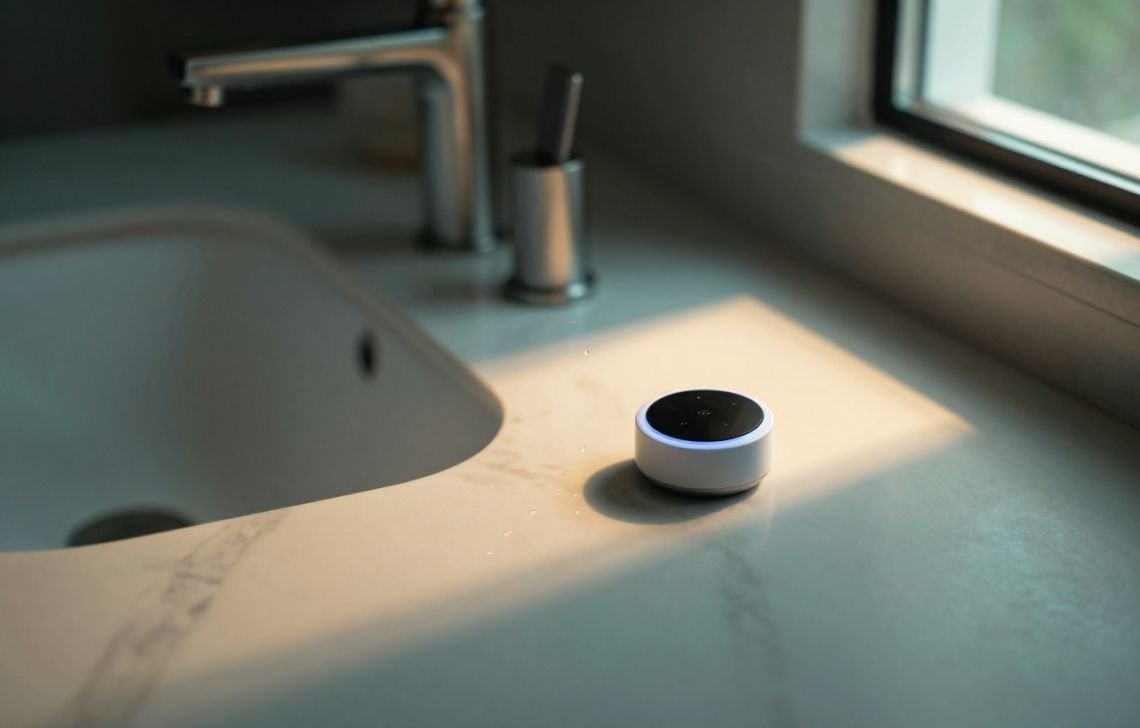
Most high-quality sensors, such as the Govee models, feature four metal “feet” or contact points on the base. This design is intentional: by having four points of contact, the device can detect water approaching from any direction as soon as the liquid spans the gap between any two feet.
Sensitivity and Drip Detection
These devices are engineered for extreme sensitivity. A splash as small as 1/2 cup of water is typically enough to bridge the contacts and sound the alarm. Furthermore, advanced models include additional contacts on the top of the unit. These top-mounted probes are vital for catching vertical drips from overhead pipes or leaking sink strainers before the water even pools on the floor.
Main Components of a Water Leak Detector
Component | Function |
Sensors/Probes | Metal contacts (often 4 on the bottom, 2 on top) that detect moisture by completing a circuit. |
Alarm System | Internal hardware that produces an audible 80-90dB siren for local alerts. |
Connectivity Chip | The Wi-Fi, Zigbee, or Z-Wave module that communicates with your phone or hub. |
Power Source | Typically long-life batteries (CR123A or AA) designed to last 2+ years. |
Types of Water Leak Detectors
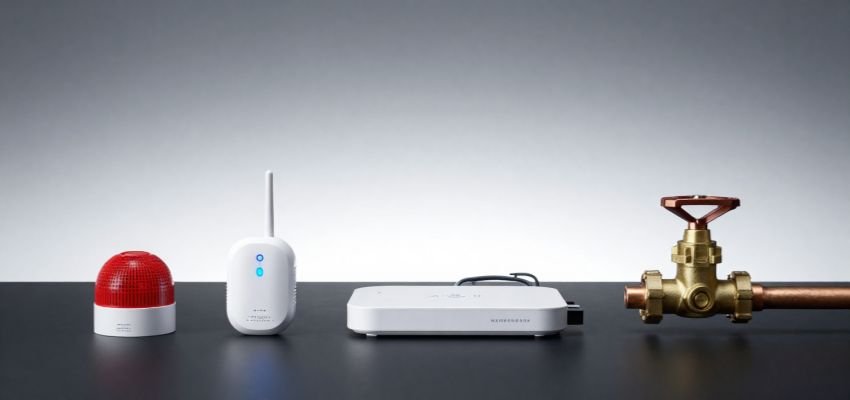
- Standalone Alarms: These provide a loud, local-only siren. They are inexpensive but require someone to be home to hear the alert.
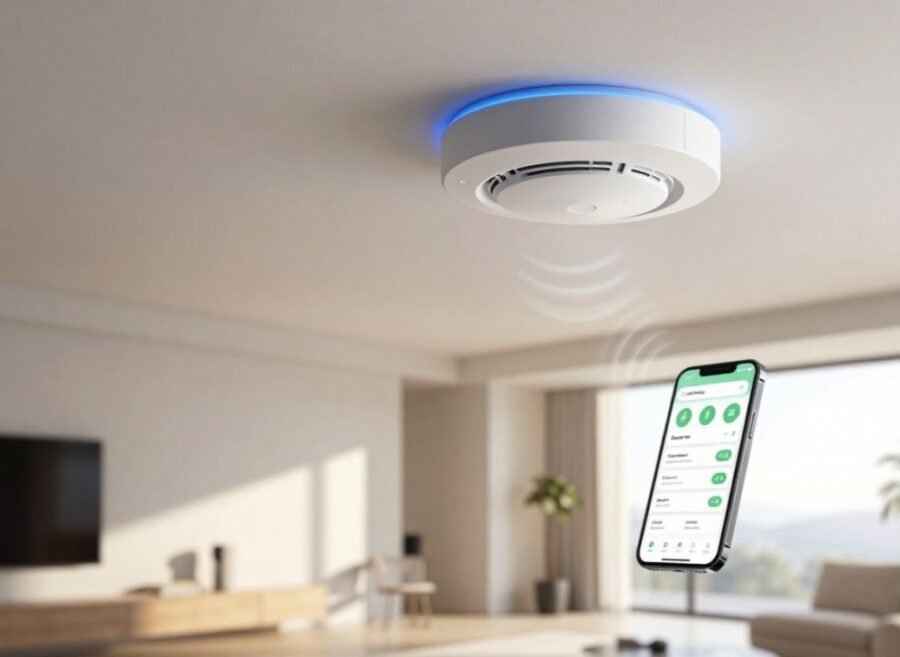
- Smart Wi-Fi Detectors: These connect to your home network and send instant push notifications to your smartphone, providing peace of mind even when you are traveling.
- Whole-House Systems: A hub-based approach that manages dozens of sensors simultaneously, ensuring even the largest properties are covered.
- Automatic Shutoff Valves: The gold standard of protection. When a sensor detects water, it sends a signal to a motorized valve on your main water line, physically cutting off the water supply to the entire home in seconds.
Where Should You Install Water Leak Sensors?
Strategic placement is the difference between a minor puddle and a flooded basement. Follow these expert guidelines:
- Under Sinks: Place the sensor directly on the cabinet floor, specifically near the U-bend and the shutoff valves.
- Near Water Heaters: Position the device at the base of the tank. This is critical for catching leaks caused by tank rust or a failing pressure relief valve.
- Around Washing Machines: Focus on the floor area near the hose connections, as these hoses are under constant pressure and are a common point of catastrophic failure.
- Basements and HVAC: Place sensors near AC condensate pans and on the floor near the sump pump pit. Pro-tip: Never place a sensor inside the sump pit, as normal water fluctuations will trigger constant false alarms.
What Happens When a Leak Is Detected?
Once the probes detect electrical continuity, a simultaneous chain of events occurs:
- Local Audible Alarm: A loud siren sounds to alert anyone currently in the home.
- Instant Cloud Notification: For smart models, a signal is sent via Wi-Fi to the cloud, triggering an immediate push notification on your smartphone.
- Smart Home Integration: If configured, the system can trigger secondary actions, such as turning smart bulbs red or announcing the leak over smart speakers.
- Mechanical Shutoff: If you have an automatic valve installed, the system will close the main water line to stop the flow at its source.
Benefits of Using Water Leak Detectors
- Preventing Structural Damage: Catching a leak early prevents wood rot, ruined drywall, and the long-term health risks of mold.
- Significant Cost Savings: You avoid massive repair bills and may qualify for discounts on your homeowner’s insurance premiums.
- Early “Pinhole” Detection: These sensors can catch a tiny drip before it weakens a pipe enough to cause a full-scale burst.
- Peace of Mind: Whether you are at work or on vacation, you can monitor your home’s safety from your phone.
Do Water Leak Detectors Really Work?
Yes, they are highly reliable, but they are point-of-contact sensors. This means they only work if the water physically touches the probes.
Expert Maintenance Checklist
- Check Batteries Twice a Year: Just like smoke detectors, check your app or the physical unit to ensure the power source is healthy.
- Clean the Probes: Dust or floor grime can eventually coat the metal contacts. Periodically wipe them with a dry cloth to ensure the probes can effectively measure resistance.
- Test the System: Every few months, touch a damp cloth to the probes to ensure the siren sounds and the mobile notification arrives promptly.
How to Choose the Best Water Leak Detector
- Connectivity: Wi-Fi is easy to set up, but hub-based systems (Zigbee/Z-Wave) are often more battery-efficient and reliable in larger homes.
- Battery Life: Look for sensors with a rated battery life of at least 2 years to minimize maintenance.
- Sensor Layout: Prioritize models with both bottom feet and top-mounted contacts for maximum coverage.
- Ecosystem: Ensure the device integrates with your existing smart home platform (Alexa, Google Home, or Home Assistant).
Conclusion
Water leak detectors are simple yet sophisticated tools that use the principle of electrical continuity to serve as your home’s silent sentinels. By monitoring for a drop in resistance between their metal contacts, they provide the split-second warning needed to prevent a disaster. To protect your property, start by placing sensors in your highest-risk areas—the water heater and the kitchen sink—and expand your coverage from there.
FAQs
Can leak detectors detect tiny leaks?
They are excellent at detecting any leak that creates a pool of water or a direct drip onto the unit. However, they are point-of-contact sensors; they will not detect a leak five feet away if the water is flowing in the opposite direction due to a sloped floor.
Do they work without Wi-Fi?
Standalone sensors and the local sirens on smart sensors will work without Wi-Fi. However, you will lose the ability to receive remote smartphone notifications if the internet is down.
How long do the sensors last?
The hardware itself can last 5 to 10 years, though the batteries generally need to be replaced every 1 to 3 years.
Are smart leak detectors worth it?
Absolutely. Given that a single sensor costs a fraction of an insurance deductible, they are one of the highest-ROI investments you can make in your home.