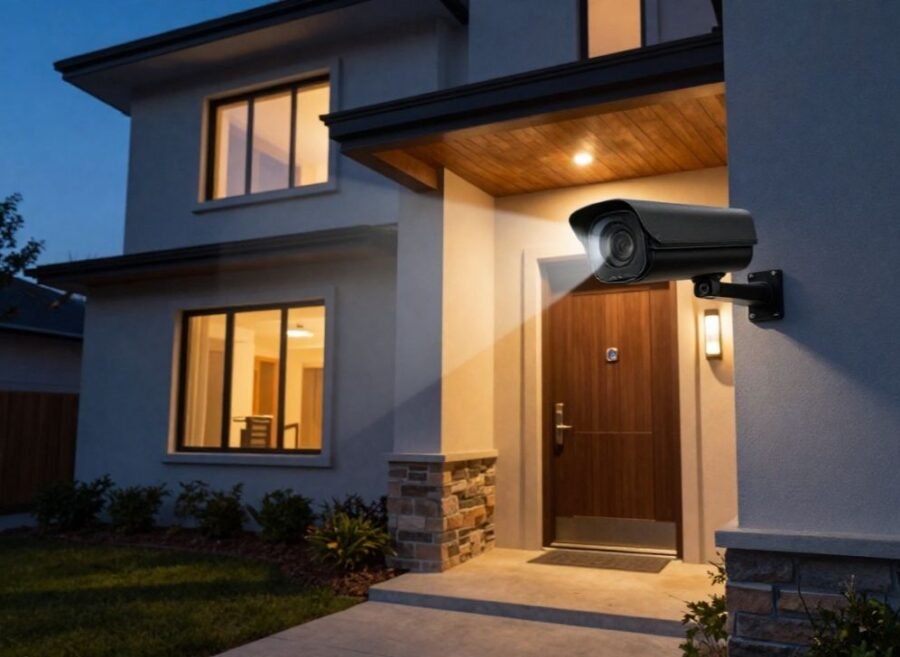

To hide an outdoor security camera effectively, you should utilize natural foliage, everyday yard objects like birdhouses, or specialized camouflage silicone skins that match your home’s exterior. This strategy prevents tampering and vandalism by keeping your hardware out of sight, ensuring you collect high-quality evidence even if an intruder attempts to bypass your visible deterrents. A truly robust home security strategy is a hybrid one, utilizing a mix of visible cameras to deter potential criminals and concealed cameras to record uninterrupted footage.
The Core Debate: Why Hide an Outdoor Security Camera?
While visible cameras are a proven psychological deterrent, they are not a complete solution. In my experience as a security strategist, a “visible-only” system is vulnerable to a prepared intruder. Strategic concealment offers several critical advantages:
- Tampering Prevention: Experienced criminals often target visible cameras first, either disabling them or stealing the unit entirely if it is easily dismounted.
- Evidence Collection: Hidden cameras catch intruders “red-handed” because the perpetrator is unaware they are being recorded. This is vital for capturing identifying details when a criminal thinks the coast is clear.
- Combatting Package Theft: With package theft causing an estimated $16 billion in annual losses, hidden cameras are essential for identifying “porch pirates” who purposefully stay out of the line of sight of visible doorbells.
- Aesthetic Preservation: Utilizing wireless hidden cameras removes the need for unsightly wiring that can ruin a home’s curb appeal or provide a physical line for an intruder to cut.
- Expert Tip: For those just starting, I recommend reviewing a comprehensive security camera buying guide to understand which hardware is small enough for effective concealment.
How to Hide Outdoor Security Cameras: 12 Smart Ways
- Use Artificial Plants or Foliage: Place cameras within fake hanging pots or behind thick, leafy bushes.
- Pro-Tip: Leaves can hide the camera’s body, but ensure the lens itself isn’t covered. Remember that real plants grow; check your feed monthly to ensure new growth hasn’t obscured the view.
- Hide the Camera Inside a Birdhouse: This is a classic “lawn decor” deception that fits perfectly into most backyard motifs.
- Pro-Tip: Select a compact camera with a lens that aligns perfectly with the birdhouse opening. Ensure the birdhouse is mounted securely so it doesn’t shake in the wind.
- Place It Near a Bird Feeder: Use specialized cases, like those from Wasserstein, that are designed to look like functional bird feeders.
- Pro-Tip: Position the feeder at a height that captures faces clearly but remains high enough to prevent easy reach.
- Use a Fake Rock or Lawn Decoration: Hollow decorative rocks are designed specifically to fit security hardware and blend into gardens.
- Pro-Tip: Ensure the rock matches your existing landscape stones; a random granite rock in a mulch bed of river stones is a red flag to a scout.
- Camouflage the Camera With a Matching Cover: Use silicone “skins” to help the device blend into its surroundings.
- Pro-Tip: Beyond just color matching, these skins protect your hardware from the elements, ensuring your “hidden” camera doesn’t fail due to moisture or dust.
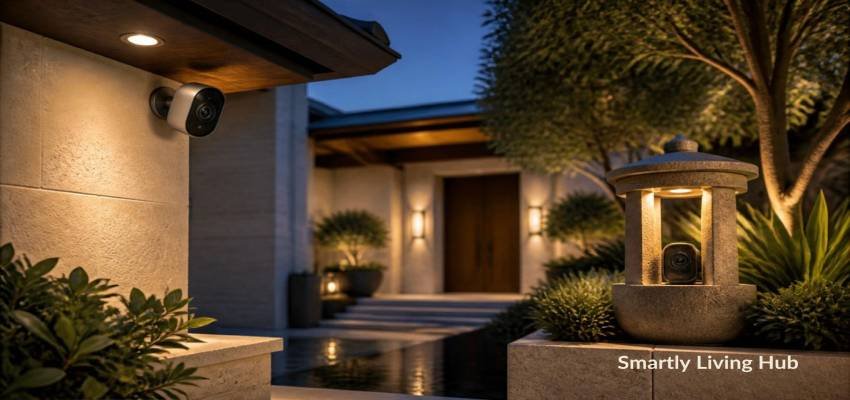
- Mount It Near an Outdoor Light Fixture: Cameras can be tucked into the shadows of porch lights or integrated into the housing of lamp posts.
- Pro-Tip: Pay close attention to the light source. Direct light can “wash out” the video feed, so mount the camera slightly above or behind the bulb’s direct path.
- Hide It Under an Eave or Soffit: Use the natural shadows and architectural lines of your roofline to mask the camera’s silhouette.
- Pro-Tip: For a truly professional look, mount the camera inside a fake smoke detector housing attached to the soffit.
- Use a Tree or Tree Trunk for Concealment: Trees provide height for a better aerial view and natural coverage.
- Pro-Tip: Use camouflage wraps to hide the camera body. If using a wired camera, run the wires vertically along the trunk and cover them with bark-colored conduit or specialized camouflage tape.
- Use a Mailbox or Other Outdoor Fixture: A tiny camera inside a mailbox offers a clear, eye-level view of your driveway and anyone approaching your front door.
- Pro-Tip: Confirm the camera is positioned to capture the street and driveway without interfering with daily mail delivery or violating postal regulations.
- Mount It in a Basketball Hoop: A basketball hoop is a common household item that provides an excellent high-vantage point for driveways.
- Pro-Tip: Ensure the camera is a mini model and is mounted securely to the backboard or pole to withstand the vibration of a ball hitting the rim.
- Blend the Camera Into Your Home’s Exterior: When selecting the best security camera, choose a color that matches your siding (e.g., white hardware for white siding, black for dark brick).
- Pro-Tip: If a perfect match isn’t available, you can carefully paint the housing. Use a brush rather than spray paint to avoid getting paint on the lens, light sensor, or microphone.
- Conceal the Camera’s Wires: Visible wires are the most common “giveaway” for a hidden system.
- Pro-Tip: Run wires through PVC pipes or baseboards. This does more than hide them—it prevents an intruder from simply cutting the lines to kill the feed.
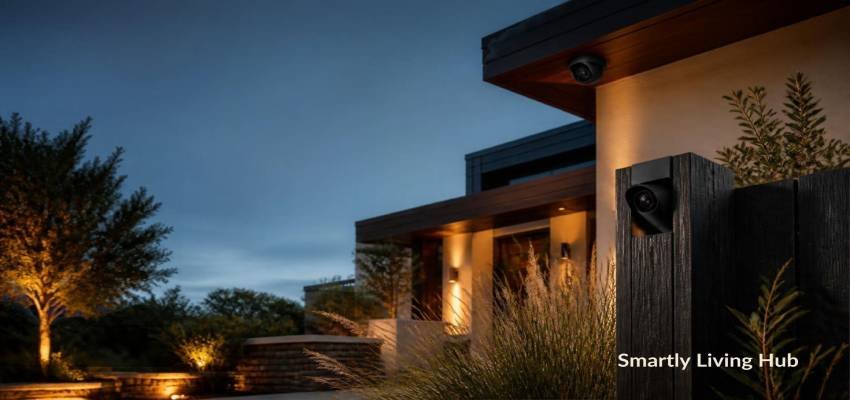
Strategic Placement: Where Should You Hide Them?
Effective security requires covering both obvious entry points and the gaps where criminals think they are safe.
- High-Traffic Zones: Prioritize the front door (the #1 entry point for burglars), driveways, backdoors, and garage access points.
- Blind Spots: Identify gaps in your visible camera coverage—such as side gates or fence lines. Place hidden units here to catch “scouts” who are checking for vulnerabilities.
- The “Double-Tap”: Place a visible camera at the front door to deter the average thief, but hide a second camera at eye-level nearby to catch the face of a thief who is wearing a hat to avoid the high-angle camera.
Technical Mastery: Hiding Without Blocking the View
A hidden camera is only useful if the footage is clear and the unit stays powered.
- Clear Field of View (FOV): Aim for a FOV between 130 to 160 degrees. Verify there is no “vignetting” caused by the edges of your birdhouse or foliage.
- The Night Vision Factor: Never place a camera with infrared (IR) night vision behind a glass window; the IR light will reflect off the glass and blind the sensor. If you must use a window mount, use a camera with software-based motion detection rather than PIR, and install an external IR illuminator outside the window.
- The Solar Power Advantage: For hidden cameras that are hard to reach (like tree mounts), use solar panels. This provides non-stop power and eliminates the need to “un-hide” the camera every few months to charge a battery.
- Environmental Resilience: Ensure your hardware has an IP65+ rating, meaning it is dust-tight and resistant to water jets.
What Type of Camera is Best for Concealed Installation?
When shopping for a camera to hide, look for these specific technical requirements:
Feature | Requirement for Hidden Use |
Resolution | 1080p HD minimum; 2K or 4K is ideal for capturing facial details at a distance. |
Power Source | Battery or Solar power is preferred for wire-free, deceptive installation. |
Storage | Look for microSD card slots for local storage; this ensures you capture footage even if your Wi-Fi is jammed or the cloud goes down. |
Connectivity | Wi-Fi is standard, but use Cellular (LTE) for remote areas like property gates. |
AI Features | Person Detection is vital to filter out false alerts from moving branches or animals. |
Size | Compact/Mini cameras (under 3 inches) are significantly easier to conceal in everyday objects. |
For more on technical standards, see this guide on IP ratings and AI detection technology.
Hidden vs. Visible Security Cameras: Which Should You Use?
Camera Type | Advantages | Disadvantages |
Visible Cameras | Strong crime deterrent; discourages burglars from even attempting entry. | Vulnerable to vandalism; criminals can "blind" them or walk around them. |
Hidden Cameras | Collects high-quality evidence; impossible to steal/tamper with; preserves aesthetics. | No deterrent effect; can suffer from reduced visibility if poorly positioned. |
The Expert Verdict: Use a hybrid approach. Visible cameras are your “Keep Out” sign, while hidden cameras are your insurance policy to catch the person who ignores the sign.
7 Common Mistakes to Avoid
- Ignoring Growth: Placing cameras behind plants that grow and eventually block the lens.
- Network Dead Zones: Mounting cameras outside the Wi-Fi range. Always test the signal at the final mounting spot before drilling.
- Inaccessible Placement: Hiding battery-powered cameras in spots so difficult to reach that you never maintain them.
- Sensor Obstruction: Accidentally covering the Passive Infrared (PIR) motion sensors or microphones.
- Legal Violations: Recording neighbor’s private areas or recording audio in restricted jurisdictions.
- Painting Errors: Getting paint on the lens or the light sensor, which ruins night vision transitions.
- Over-reliance on Stealth: Relying 100% on hidden cameras and losing the psychological deterrent that keeps many crimes from happening in the first place.
Legal and Ethical Considerations
Compliance is key to ensuring your footage is admissible in court.
- Privacy Laws: You generally have the right to record your own property, but you must avoid recording areas where people have a “reasonable expectation of privacy,” such as a neighbor’s window or a private backyard.
- Audio Recording: Audio laws are significantly stricter than video laws and vary by state. Many regions are “two-party consent” states for audio.
- Expert Resource: Consult this legal overview of residential surveillance laws before finalizing your installation.
Conclusion & Final Tips
A well-hidden security camera is a powerful tool for evidence collection. When setting up your system, prioritize a clear field of view, ensure you have a plan for long-term power (like solar panels), and regularly test your video quality. By combining visible deterrents with clever concealment, you create a layered defense that is difficult to bypass.
FAQs
Is it legal to hide security cameras on my own property?
Yes, for security purposes, it is legal. However, you cannot record in private spaces (like bathrooms) or point them at a neighbor’s private property. Audio laws are also stricter and vary by region.
Can I hide a camera behind a glass window?
It is not recommended due to infrared glare and PIR motion sensor failure at night. If you must, use a camera with software-based motion detection and an external light source.
How long do hidden camera batteries last?
Standard wireless cameras last 3–6 months. However, some professional-grade models offer up to 3 years of standby life for units that only trigger during specific events.
Can I bury security camera wires?
Yes. Always use PVC pipes or direct-burial rated cables to protect the lines from moisture and gardening tools.
Do hidden cameras deter burglars?
No. Deterrence requires the intruder to see the threat. Hidden cameras are for evidence and monitoring, not prevention. For deterrence, always include at least one visible unit.# How to Hide Outdoor Security Cameras: A Strategic Guide to Concealment