
Upgrading your home security involves a layered strategy of hardening physical entry points—such as reinforcing locks and windows—and integrating smart technologies like 4K AI-detection cameras and professional monitoring services. From a consultant’s perspective, the objective is to transform your property into a “hardened target,” making it significantly less attractive to intruders than surrounding homes. This guide outlines how to move from a basic setup to a comprehensive security posture through cost-effective physical tweaks and advanced hardware integrations.
Physical Reinforcements: Hardening Your Entry Points
As a senior consultant, I always recommend prioritizing the physical perimeter. Statistically, most intruders enter via the garage, back door, or kitchen and bedroom windows. If you harden these targets, you significantly decrease the likelihood of a successful breach.
For external hinged doors, I recommend installing key-operated two-cylinder deadlocks. When selecting hardware, ensure your knob-in-lock sets feature a “dead latch” mechanism. This specific technical feature is designed to prevent “shimming,” where an intruder uses a credit card or similar tool to retract the latch and gain entry.
Quick Security Checklist
Sliding doors are a “favourite point of entry” for burglars due to their often-flimsy factory locks. Use this checklist to secure them and your windows:
- Sliding Door Tracks: Insert wood or metal dowels into the tracks of all external sliding doors to physically limit their movement.
- Patio Bolts: Install dedicated patio bolts to the top or bottom of sliding veranda and patio doors for secondary reinforcement.
- Ground-Floor Windows: Apply security grills, heavy-duty screens, or burglar bars to any windows accessible from the street or ground level.
- Keyed Window Locks: Fit key-operated single-cylinder locks to all windows to prevent them from being easily pried open.
Pro Tip: Evaluate your entryways for structural integrity. Aging or hollow doors should be replaced with solid-core alternatives. I also advise installing a wide-angle peephole, which allows you to identify visitors and verify their credentials before ever compromising your door’s seal.
Next-Gen Surveillance: Upgrading Camera Hardware and AI
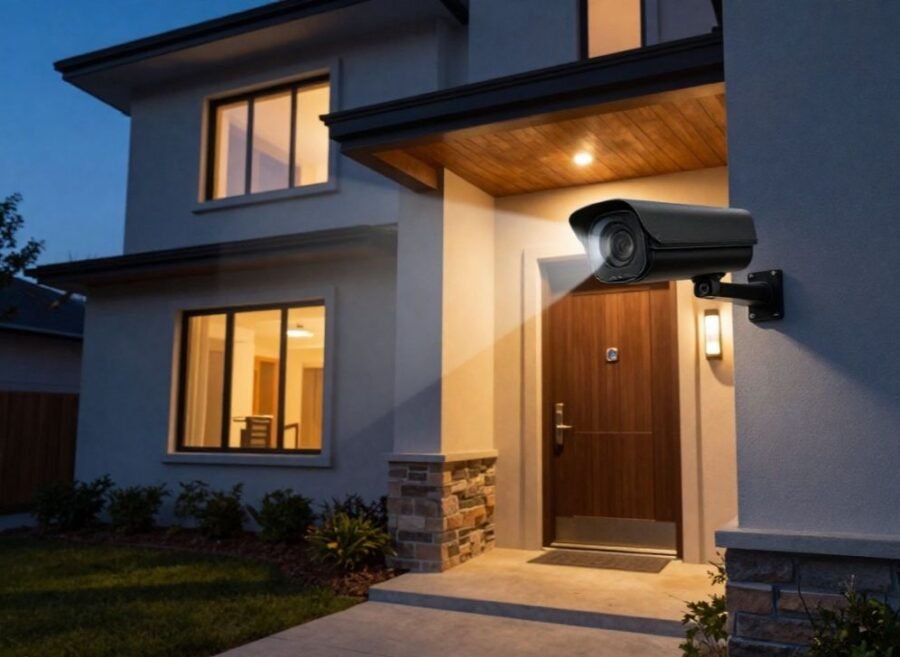
If your current cameras provide grainy footage or frequent false alarms, it is time for a hardware refresh. Modern 4K resolution units offer superior clarity and digital zoom capabilities, which are essential for identifying faces or license plates. These units often feature AI-powered person detection and enhanced night vision, filtering out “noise” like moving trees or pets.
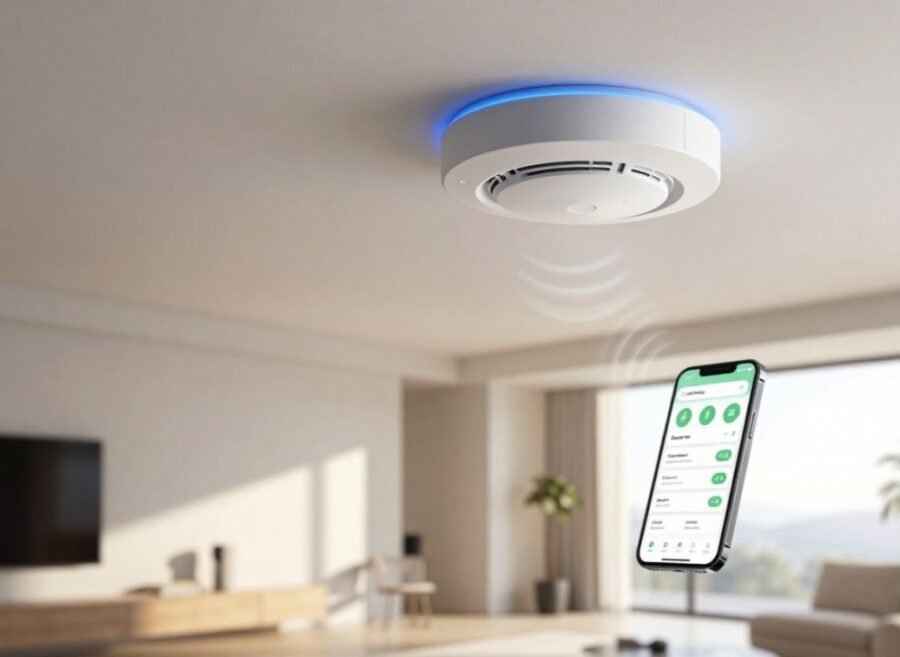
For a budget-conscious approach, utilize “Modular Upgrades.” Most modern security hubs are designed for easy expansion via their mobile apps, allowing you to add devices yourself without the expense of a technician visit. Before purchasing, verify that your hub supports standard communication protocols like Z-Wave, Zigbee, or Wi-Fi to ensure seamless cross-brand integration.
[Internal Link: Comprehensive Home Security Buying Guide]
Strategic Deterrents: Lighting and Visibility
Deterrence is a psychological game centered on the fear of being caught. Strategic lighting can convince a burglar that the risk of detection is too high.
- Timers vs. Motion Sensors: Use light timers for interior lamps to mimic natural occupancy patterns when you are away. For the exterior, I recommend Infra-red motion sensors, specifically for the rear of the property. The “sudden activation” of a bright light creates a powerful psychological deterrent, signaling to an intruder that their presence has been detected.
- Exterior Lighting Placement: Entryways and approaches must be brightly lit. This improves your personal safety during nighttime arrivals and removes the shadows burglars rely on for concealment.
- Warning Signage: Highly visible stickers indicating a professional alarm system, a dog, or Neighborhood Watch membership serve as effective psychological barriers. They suggest that the home is not only monitored but also backed by a rapid response.
Systems & Services: Monitoring and Cloud Storage
Upgrading your service plan is often more impactful than adding a new camera.
Professional Monitoring vs. DIY Monitoring
While DIY alerts are a good baseline, professional monitoring is the gold standard for life safety. Trained agents monitor your system 24/7 and can immediately contact authorities during a verified event. This significantly reduces emergency response times compared to a homeowner who might miss a mobile notification while sleeping or at work.
Plan Upgrades
Review your provider’s current tiers for these high-value features:
- Extended Cloud Storage: Basic plans often only store 24–48 hours of footage. I recommend upgrading to a plan that offers 30 to 60 days of history to ensure evidence is preserved.
- Smart Automation: Higher-tier plans typically unlock advanced automation, such as having your smart locks trigger interior lights during an alarm event.
Asset Protection: Home Safes and ID Security
Identity theft is a growing concern. If a perimeter breach occurs, your final layer of defense is asset isolation.
Home Safe Placement: Burglars know to check the master bedroom and closets first. I insist that safes be placed in non-predictable locations and anchored directly to the floor or permanent, heavy-duty shelving. To ensure it remains a “hardened” solution, use the safe daily so the action becomes a routine part of your security habit.
Digital and Document Protection:
- Identity Records: Photocopy your passport, driver’s license, and bank cards. Store these copies in a secure, separate location such as a safety deposit box or with a trusted relative.
- Insurance Proof: Photograph every valuable in your home. Store these images and receipts for high-ticket items (electronics, jewelry) in a secure digital vault to streamline insurance claims.
Decision Matrix: Upgrade vs. Replace
Feature | Upgrade if... | Replace if... |
Current Hardware | Equipment functions well but needs more angles/coverage. | Core functionality is failing or sensors are unreliable. |
Connectivity | Hub is modular-ready (Z-Wave, Zigbee, Wi-Fi). | System is "basic" with no smart home or app integration. |
Control | You can add devices via a mobile app. | The system requires a technician for every hardware change. |
Cost | Lower, incremental investment in new sensors. | Higher initial investment for a modern foundation. |
Complexity | DIY-friendly; simple "plug and play" additions. | May require pro-installation for hardwired components. |
Critical Mistakes to Avoid
- Street-Side Vulnerability: Leaving ground-floor windows open or clearly visible from the street acts as an invitation for opportunistic theft.
- Predictable Hiding Spots: Storing high-value items or safes in the master bedroom; this is the first location searched during a “smash and grab.”
- Unverified Neighborhood Response: Relying on a “neighborhood response” alarm without confirming your neighbors are actually willing and able to intervene during an emergency.
- Contractual Neglect: Failing to notify your security provider of hardware changes. Unauthorized modifications may impact your service contract or professional monitoring reliability.
Final Verdict
The most effective security strategy is a proactive one. Perform a “Security Audit” today: walk your property’s perimeter and identify vulnerable entry points or camera blind spots. By addressing these weaknesses now, you ensure your home remains a difficult target and your family stays protected.
FAQs
Can I add different brands to my existing system?
Generally yes, provided your system supports universal protocols like Z-Wave, Zigbee, or Wi-Fi. Many modern hubs act as universal controllers for cross-brand devices.
Where do burglars usually enter?
The most common entry points are the garage, back doors, and kitchen or bedroom windows.
How do light timers help?
They mimic occupancy patterns, creating the illusion that someone is home, which is often enough to make a burglar bypass your property for a vacant-looking one.
Is professional monitoring worth the cost?
Yes. It ensures 24/7 coverage and provides trained agents who can contact emergency responders immediately, which is critical for reducing response times.
What is the easiest way to secure a sliding door?
The most effective low-cost method is placing a wood or metal dowel in the track and installing dedicated patio bolts to prevent the door from being lifted or pried open.